
Health Insurance
Prima Car Insurance Reviews: Is It the Right Choice for Your Ride?

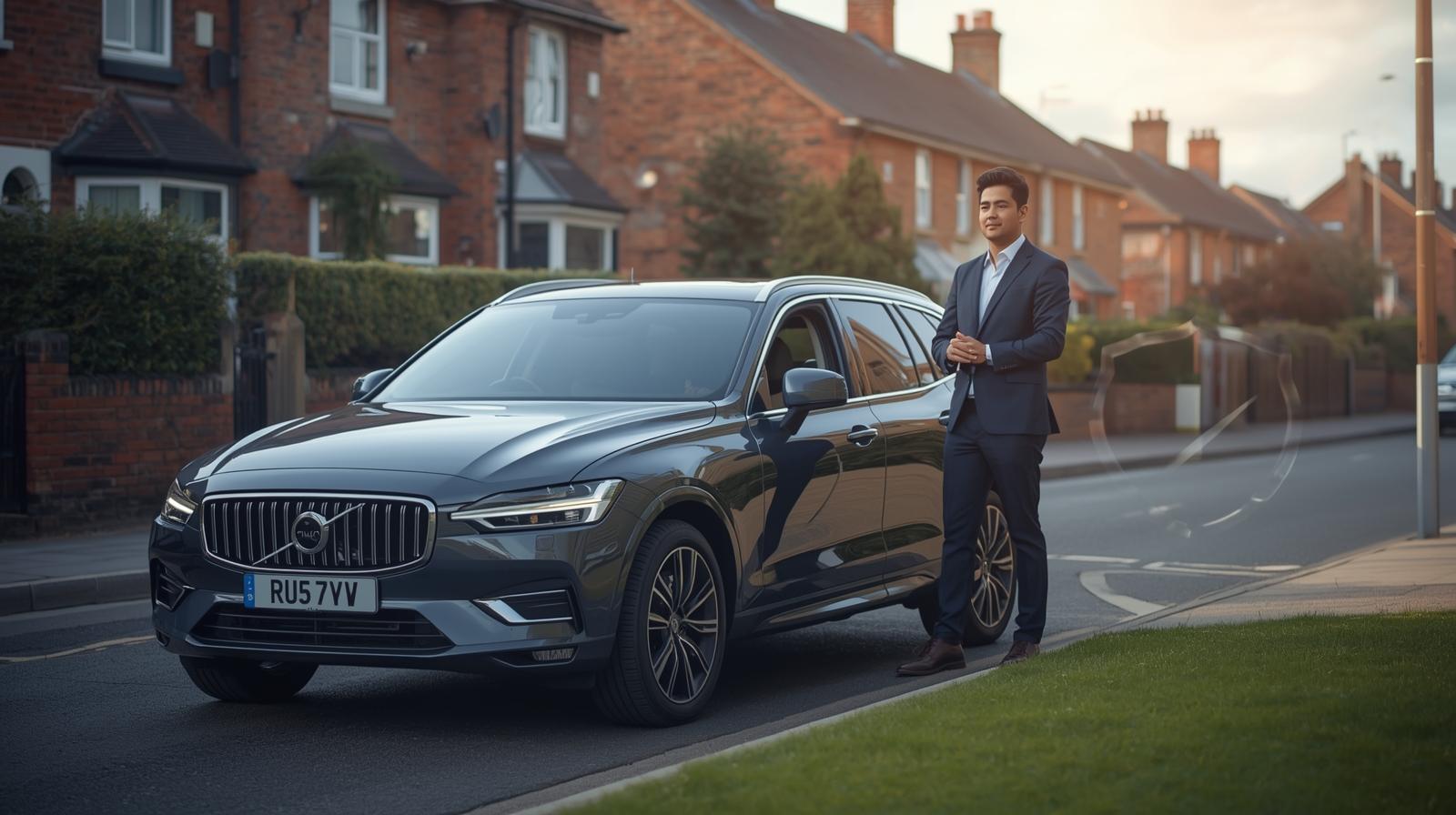
Car insurance is one of those things most of us don’t think about until we actually need it. Whether you’re renewing a policy, switching providers, or buying insurance for the first time, finding the right cover matters. One name that often pops up in the UK market is Prima Car Insurance.
But is it actually worth choosing? Let’s break it down in a way that’s easy to understand, honest, and genuinely helpful.
What Is Prima Car Insurance?
Prima Car Insurance is a UK‑based insurer that offers a range of car insurance products tailored to different drivers whether you’re a seasoned motorist or a young driver getting your first policy.
They provide:
- Third Party Only (TPO) — basic legal minimum cover
- Third Party, Fire & Theft (TPFT) — adds protection if your car is stolen or damaged by fire
- Comprehensive Cover — widest protection including accidental damage
The idea is to give drivers options that match their budget and cover needs.
Why Drivers Consider Prima
What often draws people to Prima Car Insurance is:
1. Affordable Premiums
Many customers find Prima competitive on price, especially for drivers with a bit of experience or clean records.
2. Flexible Cover Options
From basic legal requirement cover to comprehensive policies, Prima offers choices based on how much protection you want.
3. UK‑Centric Focus
Some drivers like Prima are focused on the UK market and claims are handled locally, rather than through big global insurers.
What Prima Car Insurance Covers
Coverage depends on the type of policy you choose, but generally:
Third Party Only (TPO)
This is the legal minimum. It covers:
- Damage you cause to someone else’s vehicle
- Injury to other people
- Damage to third‑party property
Note: Your own car isn’t covered for repairs under this level.
Third Party, Fire & Theft (TPFT)
Everything in TPO, plus:
- Cover if your car is stolen
- Cover if your car is damaged by fire
Comprehensive Insurance
This is the most complete plan, covering:
- Accidental damage to your own car
- Theft and vandalism
- Fire damage
- Liability for third parties
Comprehensive plans sometimes also include extras like:
- Windscreen cover
- Courtesy car while yours is being repaired
- Personal accident cover
The exact benefits vary by policy and optional add‑ons.
Real Customer Feedback: What Drivers Are Saying
When it comes to real reviews, Prima gets mixed but generally decent feedback. Here’s the breakdown:
What Drivers Like
Affordable Policies
Many drivers say Prima offers competitive premiums especially for people who are not too young, have a clean driving history, or aren’t claiming often.
Straightforward Purchase Process
Users often remark that getting a quote and buying online is simple and clear.
Local Claims Handling
Some customers appreciate that claims are handled in the UK and by teams that understand local roads and situations.
What Drivers Don’t Love
Claims Response Time
A few reviews mention that claims processing can take longer than expected, especially during busy periods.
Mixed Customer Service Experience
Not everyone gets the same level of responsiveness from customer support — which can vary by region and agent.
Renewal Increases
Like many insurers, some policyholders report higher renewal prices compared with their starting premium.
The key takeaway? For many drivers, Prima checks the basic boxes but experiences can vary depending on individual circumstances.
Is Prima Good for You?
Let’s break down who might benefit most from choosing Prima Car Insurance:
Good Fit If You:
- Want an affordable policy
- Prefer simple cover options
- Are comfortable managing your policy online
- Don’t drive long distances daily
- Have a relatively clean driving record
Might Want to Shop Around If You:
- Want premium extras with lots of added benefits
- Have a complex claims history
- Want rapid one‑on‑one claims support
- Are a young or high‑risk driver looking for tailored pricing
Tips for Getting the Best Deal on Your Car Insurance
Whether you go with Prima or another provider, these tips help you save money and get better value:
Compare Quotes
Never settle for the first quote you see. Compare multiple insurers to see who offers the best match for your profile.
Improve Security
Fitting approved alarms, trackers, or parking in a secure location can reduce premiums.
Choose the Right Excess
Opting for a slightly higher voluntary excess can lower your premium but make sure you can afford that excess if you ever claim.
Maintain a Clean Driving History
No one likes it when driving convictions or accidents hike up the bill but being accident‑free is one of the most effective ways to keep costs down.
Consider Telematics
If you’re a careful driver, a black box or telematics policy can sometimes reduce premiums by rewarding safe habits.
Final Thoughts
Prima Car Insurance is a solid choice for many UK drivers, especially if you want straightforward cover at a reasonable price. It’s especially appealing for those who value simplicity and flexibility without overpaying for extras they don’t need.
That said, every driver’s situation is different. If peace of mind and premium features matter most, comparing other insurers might uncover options better suited to your needs.
Car insurance isn’t just about price, it’s about how well the policy protects you when you actually need it. Prima might do exactly that for you, but it’s worth exploring quotes and coverage before deciding.
Traveling abroad is exciting new countries, new cultures, new experiences. But one thing most people forget to plan for is healthcare outside their home country. That’s where travel & international health insurance comes in.
Many travelers assume their regular health insurance will cover them overseas. Spoiler alert: in most cases, it doesn’t.
This guide explains travel & international health insurance: what you need to know, how it works, who needs it, what it covers, and how to choose the right plan without overpaying.
Whether you’re a tourist, student, digital nomad, or expat, this post breaks it all down simply.
What Is Travel & International Health Insurance?
Travel & international health insurance is medical coverage designed to protect you while you are outside your home country.
It helps pay for:
- Emergency medical treatment
- Hospital stays abroad
- Doctor visits
- Medical evacuation
- Emergency dental care
Understanding travel & international health insurance: what you need to know can save you from massive medical bills in a foreign country.
Travel Insurance vs International Health Insurance (Key Difference)
Many beginners confuse these two but they’re not the same.
Travel Insurance
- Short-term coverage
- Focuses on trip protection
- Covers medical emergencies, trip cancellations, lost luggage
International Health Insurance
- Long-term medical coverage
- Designed for expats, students, and long stays
- Covers routine care + emergencies
If you’re asking about travel & international health insurance: what you need to know, the first step is knowing which one you actually need.
Who Needs Travel & International Health Insurance?
You should strongly consider it if you are:
- Traveling internationally for vacation
- Studying abroad
- Working overseas
- A digital nomad
- Living abroad as an expat
- Visiting countries with high healthcare costs
Even a minor emergency abroad can cost thousands without insurance.
Why Your Local Health Insurance Isn’t Enough
Most domestic health insurance plans:
- Do not cover international treatment
- Offer limited or no reimbursement abroad
- Do not include medical evacuation
That’s why travel & international health insurance isn’t optional, it’s essential.
What Does Travel & International Health Insurance Cover?
Coverage varies by plan, but most include:
Emergency Medical Treatment
Doctor visits, hospital care, and surgeries while traveling.
Hospitalization
Inpatient care, tests, and treatments.
Medical Evacuation
Transportation to the nearest suitable medical facility or back home if needed.
Emergency Dental Care
Basic dental treatment for sudden pain or injury.
Prescription Medications
Covered depending on plan limits.
Understanding coverage is a core part of travel & international health insurance: what you need to know.
What Is Usually NOT Covered?
Common exclusions include:
- Pre-existing conditions (unless added)
- Cosmetic procedures
- Non-emergency treatments (for travel plans)
- High-risk activities (unless covered separately)
Always read the fine print.
Types of Travel & International Health Insurance Explained
1. Single-Trip Travel Insurance
Best for: Short vacations or one-time travel
- Covers one specific trip
- Fixed duration
- Affordable
2. Multi-Trip Travel Insurance
Best for: Frequent travelers
- Covers multiple trips in a year
- Each trip has a maximum duration
- Cost-effective for business travelers
3. Student International Health Insurance
Best for: Students studying abroad
- Meets visa requirements
- Covers routine care and emergencies
- Often mandatory
4. Expat International Health Insurance
Best for: Long-term residents abroad
- Comprehensive coverage
- Includes routine care, maternity, and specialists
- Higher cost but broader protection
5. Digital Nomad Health Insurance
Best for: Remote workers and freelancers
- Flexible global coverage
- Covers multiple countries
- Includes telemedicine
Travel & International Health Insurance: What You Need to Know About Costs
Costs depend on:
- Age
- Destination country
- Length of stay
- Coverage limits
- Add-ons (maternity, evacuation, etc.)
Short-term travel insurance is usually affordable, while international health insurance costs more due to broader coverage.
Countries Where Travel Health Insurance Is Mandatory
Some countries require proof of insurance for entry or visa approval, including:
- Schengen countries
- Many student visa destinations
- Some expat residency programs
This is a major reason people search travel & international health insurance: what you need to know before traveling.
Medical Evacuation: The Most Important Benefit
Medical evacuation can cost:
- Tens of thousands of dollars
- Even more for remote locations
Most people underestimate this risk. A good policy makes evacuation the difference between a bad situation and a financial disaster.
How to Choose the Right Travel & International Health Insurance Plan
Follow this simple checklist:
Step 1: Define Your Travel Type
Vacation, study, work, or long-term stay?
Step 2: Choose Coverage Length
Days, months, or yearly coverage.
Step 3: Check Coverage Limits
Especially medical evacuation and hospitalization.
Step 4: Review Network & Claims
Global hospitals, easy reimbursement.
Step 5: Compare Plans
Never buy the first option you see.
This process is essential in travel & international health insurance: what you need to know
Common Mistakes Travelers Make
- Assuming domestic insurance works internationally
- Choosing the cheapest plan only
- Ignoring evacuation coverage
- Not checking exclusions
- Buying insurance after departure
Avoid these and you’ll be fine.
Travel & International Health Insurance for Families
Family plans usually:
- Cover children and dependents
- Offer pediatric care
- Reduce per-person cost
Always check if maternity and newborn care are included.
Travel & International Health Insurance for Seniors
Older travelers should look for:
- Higher coverage limits
- Pre-existing condition coverage
- Emergency evacuation benefits
Senior travelers face higher risks coverage matters more than price.
Travel & International Health Insurance: What You Need to Know – FAQs
What is travel & international health insurance?
It is medical coverage designed to protect travelers and long-term residents outside their home country.
Do I really need travel health insurance?
Yes. Medical care abroad can be extremely expensive without insurance.
Is travel insurance the same as international health insurance?
No. Travel insurance is short-term and trip-focused, while international health insurance is long-term and medical-focused.
Does travel & international health insurance cover COVID or emergencies?
Most modern plans cover emergencies, including illnesses, but coverage varies by policy.
Can I buy travel health insurance after leaving my country?
Some plans allow it, but many require purchase before departure.
What is the biggest benefit of international health insurance?
Medical evacuation and access to quality healthcare worldwide.
Final Thoughts: Travel & International Health Insurance Explained Simply
When it comes to travel & international health insurance: what you need to know, one thing is clear:
Travel without insurance is a financial gamble.
The right policy:
- Protects your health
- Covers emergencies
- Saves you from massive bills
- Gives peace of mind abroad
Whether you’re traveling for a week or living abroad for years, don’t skip this step.

Health insurance can feel overwhelming when you’re just starting out. There are dozens of plans, unfamiliar terms, and way too many options. That’s why understanding the types of health insurance explained clearly is the first step before buying any plan.
This guide breaks down all major types of health insurance, explains how each one works, who it’s best for, and how to choose the right option for your needs. No jargon. No confusion. Just clarity.
If you’re a beginner, student, self-employed, or buying insurance for the first time, this post is for you.
Why Understanding the Types of Health Insurance Matters
Not all health insurance is the same. Choosing the wrong type can lead to:
- Higher medical bills
- Limited doctor access
- Unexpected out-of-pocket costs
When the types of health insurance explained properly, you can match coverage with your lifestyle and budget instead of guessing.
Types of Health Insurance Explained: The Big Picture
Health insurance plans can be divided into three main categories:
- Private health insurance
- Government-sponsored health insurance
- Special-purpose health insurance
Let’s break each one down.
1. Private Health Insurance Explained
Private health insurance is coverage you buy through:
- Employers
- Insurance companies
- Health insurance marketplaces
These are the most common plans for individuals and families.
Health Maintenance Organization (HMO)
What it is:
An HMO requires you to choose a primary care doctor who manages your healthcare.
Key features:
- Lower monthly premiums
- Smaller provider network
- Referrals required for specialists
Best for:
Beginners, families, and budget-focused individuals
This is one of the most popular options when types of health insurance are explained to first-time buyers.
Preferred Provider Organization (PPO)
What it is:
A PPO allows you to visit specialists without referrals and offers a larger network.
Key features:
- Higher premiums
- More flexibility
- Out-of-network coverage (at higher cost)
Best for:
People who want freedom and flexibility
Exclusive Provider Organization (EPO)
What it is:
A hybrid between HMO and PPO.
Key features:
- No referrals needed
- No out-of-network coverage (except emergencies)
- Moderate premiums
Best for:
People who want flexibility but lower cos
Point of Service (POS)
What it is:
A mix of HMO and PPO features.
Key features:
- Primary care doctor required
- Out-of-network options available
- Moderate premiums
Best for:
Those who want structure with some flexibility
2. High-Deductible Health Plans (HDHP) Explained
What it is:
A plan with lower monthly premiums but higher deductibles.
Key features:
- Lower upfront cost
- Higher out-of-pocket spending
- Often paired with Health Savings Accounts (HSA)
Best for:
Healthy individuals and young adults
HDHPs are important when types of health insurance are explained for cost-conscious buyers.
3. Catastrophic Health Insurance Explained
What it is:
Coverage designed for worst-case medical emergencies.
Key features:
- Very low monthly premiums
- High deductibles
- Covers essential emergencies
Best for:
People under 30 or those with hardship exemptions
4. Government-Sponsored Health Insurance Explained
Government health insurance programs help specific groups access affordable care.
Medicaid
What it is:
A state and federal program for low-income individuals and families.
Key features:
- Low or no cost
- Comprehensive coverage
- Income-based eligibility
Medicare
What it is:
Health insurance for people aged 65+ and certain disabilities.
Parts include:
- Part A: Hospital insurance
- Part B: Medical insurance
- Part C: Medicare Advantage
- Part D: Prescription drugs
Children’s Health Insurance Program (CHIP)
What it is:
Coverage for children in low-income families who don’t qualify for Medicaid.
5. Employer-Sponsored Health Insurance Explained
What it is:
Coverage provided through your employer.
Key features:
- Employer pays part of premium
- Group-based pricing
- Limited plan customization
Best for:
Full-time employees and families
6. Marketplace (ACA) Health Insurance Explained
What it is:
Plans sold through government health insurance marketplaces.
Key features:
- Subsidies available
- Standardized coverage
- Open enrollment periods
Marketplace plans are essential when types of health insurance are explained for freelancers and self-employed individuals.
7. Short-Term Health Insurance Explained
What it is:
Temporary coverage lasting a few months.
Key features:
- Low premiums
- Limited benefits
- No coverage for pre-existing conditions
Best for:
Temporary gaps in coverage
8. Supplemental Health Insurance Explained
What it is:
Extra coverage that supplements primary insurance.
Types include:
- Dental insurance
- Vision insurance
- Accident insurance
- Critical illness insurance
These plans don’t replace health insurance but reduce out-of-pocket costs.
How to Choose the Right Type of Health Insurance
Ask yourself:
- How often do I visit doctors?
- Do I need specialist care?
- What’s my monthly budget?
- Do I qualify for subsidies?
Understanding the types of health insurance explained makes this decision easier.
Common Beginner Mistakes
- Choosing only based on premium
- Ignoring deductibles
- Not checking provider networks
- Skipping preventive care
- Assuming all plans cover everything
Avoid these mistakes to save money.
Types of Health Insurance Explained – FAQs
What are the main types of health insurance?
The main types include HMO, PPO, EPO, POS, HDHP, catastrophic, employer-sponsored, and government programs.
Which type of health insurance is best for beginners?
HMO and marketplace plans are usually best for beginners due to lower costs.
Are all types of health insurance expensive?
No. Many affordable options exist, especially with subsidies or employer contributions.
What type of health insurance covers emergencies?
Most health insurance types cover emergencies, including catastrophic plans.
Can I change my type of health insurance later?
Yes. You can switch plans during open enrollment or qualifying life events.
Final Thoughts: Types of Health Insurance Explained Simply
When the types of health insurance explained clearly, choosing coverage becomes much easier.
The right plan:
- Fits your budget
- Covers your healthcare needs
- Protects you financially
Start with understanding the type, then compare plans within that category. That’s how you win.

Choosing health insurance in 2026 feels harder than ever. Prices are rising, options are confusing, and every plan claims to be “the best.” That’s exactly why this Best Health Insurance Plans Comparison for 2026 exists.
Instead of pushing one company or plan, this guide compares the top health insurance plans for 2026, explains who they’re best for, and helps you decide based on cost, coverage, and real-life use.
If you’re an individual, a family, self-employed, or buying insurance for the first time this blog is for you.
Why You Need a Health Insurance Comparison in 2026
Health insurance in 2026 is not the same as previous years.
Here’s what’s changed:
- Monthly premiums are higher in many regions
- Deductibles are increasing on cheaper plans
- More people are using marketplace insurance
- Telehealth and virtual care are now standard
Because of this, blindly choosing a plan can cost you thousands. A proper Best Health Insurance Plans Comparison for 2026 helps you avoid overpaying while still staying protected.
What Makes a Health Insurance Plan “Best” in 2026?
The “best” health insurance plan isn’t universal. It depends on balance.
We compare plans based on:
- Monthly premium affordability
- Deductibles and out-of-pocket limits
- Provider network size
- Coverage quality
- Best use case (families, individuals, low income, etc.)
This comparison focuses on value, not marketing hype.
Best Health Insurance Plans Comparison for 2026 (Top Providers)
Below are the most popular and reliable health insurance providers in 2026.
UnitedHealthcare – Best Overall Coverage
Best for: Individuals, families, nationwide access
Why it stands out:
- Largest provider network
- Strong digital tools and wellness programs
- Wide range of plan types
Pros:
- Easy to find in-network doctors
- Good employer and individual plans
Cons:
- Premiums can be higher than budget plans
UnitedHealthcare ranks high in every Best Health Insurance Plans Comparison for 2026 because of flexibility and reach.
Blue Cross Blue Shield – Best for Nationwide Coverage
Best for: Families, frequent travelers
Why it stands out:
- Available in all states
- Strong hospital and specialist access
- Multiple plan tiers
Pros:
- Reliable and widely accepted
- Good family coverage options
Cons:
- Pricing varies a lot by state
If you want stability and broad access, BCBS is a strong choice in 2026.
Kaiser Permanente – Best Integrated Care System
Best for: Preventive care and managed healthcare
Why it stands out:
- Insurance + hospitals + doctors in one system
- Lower out-of-pocket costs
- Excellent care coordination
Pros:
- Great preventive care
- Simple claims process
Cons:
- Limited geographic availability
- Smaller provider choice
Kaiser consistently performs well in health insurance comparisons for 2026 where available.
Cigna – Best for Self-Employed and Remote Workers
Best for: Freelancers, digital workers
Why it stands out:
- Strong telemedicine options
- Global and travel-friendly coverage
- Flexible plan designs
Pros:
- Excellent virtual care
- Competitive pricing
Cons:
- Network not as large as top competitors
Cigna is a solid option in the Best Health Insurance Plans Comparison for 2026 for modern work lifestyles.
Aetna – Best Balance of Cost and Coverage
Best for: Budget-conscious buyers
Why it stands out:
- Affordable premiums
- Strong chronic care management
- Telehealth included
Pros:
- Good preventive services
- Competitive pricing
Cons:
- Network size depends on location
Aetna is often chosen by people who want affordability without sacrificing quality.
Molina Healthcare & Ambetter – Best Low-Cost Marketplace Plans
Best for: Low-income individuals, ACA marketplace users
Why they stand out:
- Lower monthly premiums
- Designed for affordability
- Often subsidy-friendly
Pros:
- Budget-friendly
- Simple plan structures
Cons:
- Smaller provider networks
These plans rank high in the Best Health Insurance Plans Comparison for 2026 when cost is the top priority.
Health Insurance Plan Types Comparison (2026)
Understanding plan types is just as important as choosing a provider.
HMO Plans
- Lower premiums
- Limited provider network
- Referral required
Best for beginners and budget users.
PPO Plans
- Higher premiums
- Larger network
- No referrals needed
Best for flexibility and specialist access.
High-Deductible Health Plans (HDHP)
- Low monthly premiums
- High deductibles
- Often HSA-compatible
Best for healthy individuals.
Catastrophic Plans
- Very low premiums
- Emergency-only coverage
Best for young adults under 30.
Bronze vs Silver vs Gold Plans (2026 Comparison)
Bronze Plans
- Lowest premiums
- Highest out-of-pocket costs
- Best for minimal healthcare use
Silver Plans
- Balanced cost and coverage
- Popular choice
- Best subsidies
Gold Plans
- Higher premiums
- Lower deductibles
- Best for frequent doctor visits
Choosing the right tier is critical in any Best Health Insurance Plans Comparison for 2026.
Marketplace vs Employer Health Insurance (2026)
Marketplace Plans
- Ideal for self-employed and individuals
- Income-based subsidies available
- Wide range of options
Employer Plans
- Often cheaper due to employer contributions
- Limited customization
- Premiums rising in 2026
Always compare both before deciding.
How to Choose the Best Health Insurance Plan in 2026
Follow this simple checklist:
- Set a monthly budget
- Estimate healthcare usage
- Compare total yearly cost
- Check doctor and hospital networks
- Review prescription coverage
The cheapest plan is not always the best.
Common Mistakes to Avoid in 2026
- Choosing based only on monthly premium
- Ignoring deductibles
- Not checking network coverage
- Forgetting prescription costs
- Skipping annual plan review
Avoid these and you’ll win.
Best Health Insurance Plans Comparison for 2026 – FAQs
What is the best health insurance plan in 2026?
There is no single best plan. The best option depends on your budget, health needs, and location.
Which health insurance plan is cheapest in 2026?
Marketplace plans like Molina and Ambetter often have the lowest premiums, especially with subsidies.
Are employer health plans better than marketplace plans?
Employer plans are often cheaper, but marketplace plans may be more affordable after tax credits.
Is health insurance more expensive in 2026?
Yes, premiums and deductibles have increased in many regions.
Which plan is best for families in 2026?
Blue Cross Blue Shield and UnitedHealthcare are popular family options.
Which plan is best for self-employed people?
Cigna, Aetna, and marketplace plans are commonly preferred by freelancers.
Final Verdict: Best Health Insurance Plans Comparison for 2026
The Best Health Insurance Plans Comparison for 2026 proves one thing clearly:
There’s no perfect plan, only the right plan for you.
Focus on:
- Total yearly cost
- Coverage quality
- Network access
- Your actual health needs
Compare smart, choose wisely, and you’ll stay protected without overpaying.

Get Paid to Stay Alive? The Billionaire Bet on Living to 120

Body Part Insurance: When Your Body Becomes a Million-Dollar Asset

Get Paid to Break Up? Inside the World of Breakup Insurance

How Much Is Health Insurance a Month?

Will Insurance Cover Ozempic? This Information Tells You the Truth

What Does Life Insurance Cover?7 Must-Known Facts to Protect Your Loved Ones!
-
Health Insurance1 year ago
How Much Is Health Insurance a Month?
-
General Insurance1 year ago
Will Insurance Cover Ozempic? This Information Tells You the Truth
-
Life Insurance1 year ago
What Does Life Insurance Cover?7 Must-Known Facts to Protect Your Loved Ones!
-
 Auto Insurance1 year ago
Why Is My Auto Insurance So High? There Is a Secret Behind High Auto Insurance Costs That Goes Unknown
-
General Insurance4 months ago
Can Cowboys Get Life Insurance?
-
 Life Insurance1 year ago
What Is Life Insurance? Everything You Need to Know!
-

 Health Insurance3 months ago
Mobility Scooter Insurance: What It Is, Why You Need It, and How to Choose the Best Policy
-

 Auto Insurance3 months ago
How Impound Insurance Works After Your Car Is Seized