
General Insurance
what does collision insurance cover

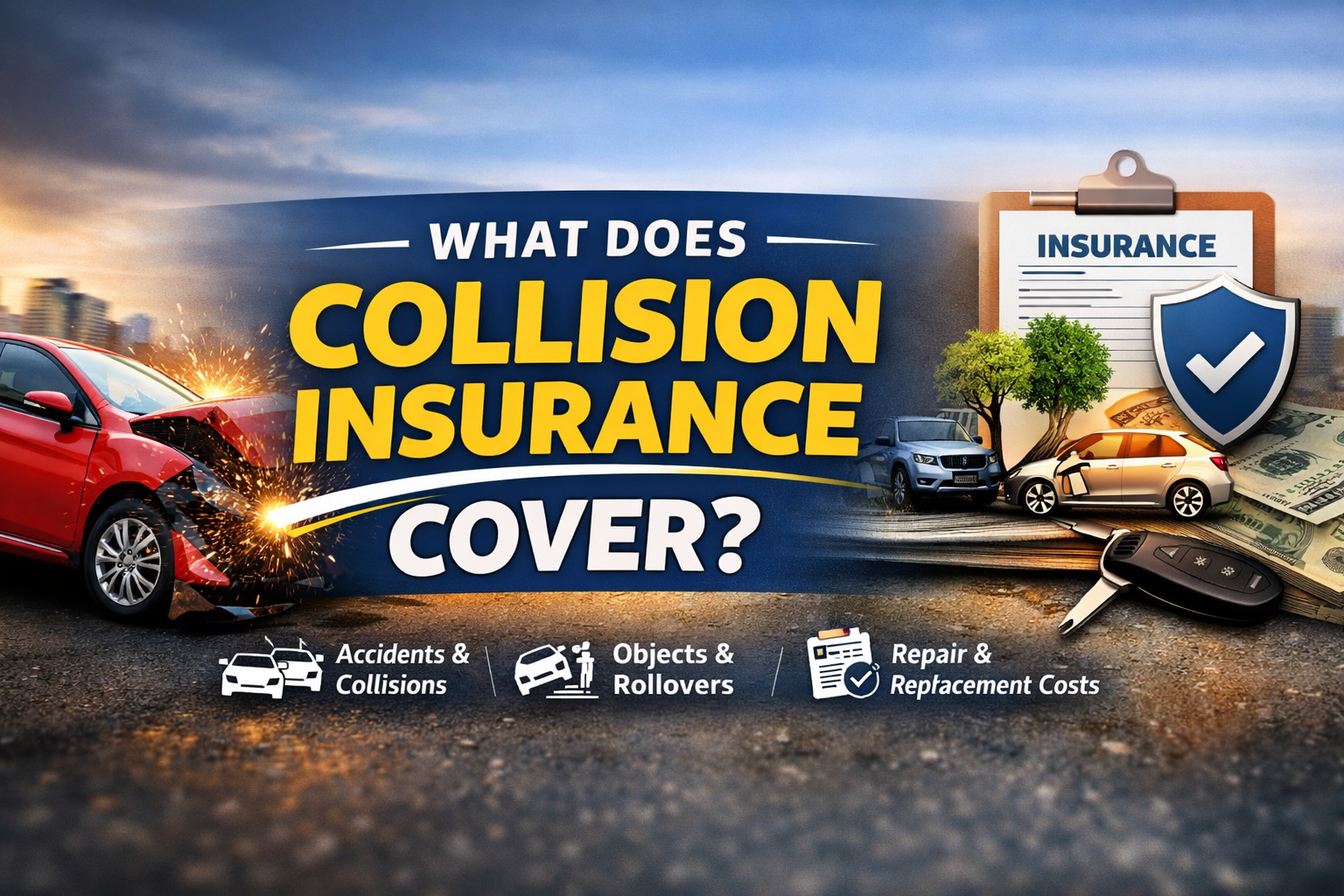
Car insurance is a necessary expense for any vehicle owner, but with so many types of coverage available, it can be confusing to know exactly what each one entails. Collision insurance is one of the primary coverage options that protects your vehicle in the event of an accident.
Unlike liability insurance, which covers damages to others, collision insurance covers damages to your own vehicle after a crash, regardless of who is at fault. Whether you’re in a fender-bender or a more serious accident, collision insurance is a safety net that ensures you’re financially protected. In this article, we’ll break down exactly what collision insurance covers, when you might need it, and how it differs from other types of auto insurance.
What Does Collision Insurance Cover? A Detailed Overview
Collision insurance covers repairs or replacement costs if your vehicle is damaged in a collision, regardless of fault. Here’s a detailed breakdown of the scenarios it covers:
1. Accidents with Other Vehicles
If you collide with another car, your collision insurance will cover the repair or replacement costs of your own vehicle, minus the deductible. This applies regardless of whether you are at fault or the other driver is.
2. Accidents with Objects
Collision coverage also extends to accidents where your vehicle collides with stationary objects such as a tree, fence, pole, or guardrail. If you accidentally hit a parking barrier or a mailbox, collision insurance will help pay for the repair costs.
3. Rollovers
If your vehicle rolls over due to an accident, collision insurance will cover the damage. Rollovers can be particularly costly to repair, but having collision coverage helps protect you from bearing the full cost of the damage.
4. Hit-and-Run Accidents
In the unfortunate event of a hit-and-run, collision insurance will cover repairs to your vehicle. This is important since you might not be able to identify the responsible party or hold them accountable for the damages.
It’s important to note that while collision insurance covers these types of accidents, it doesn’t cover damages that occur in situations outside of an accident. For example, if your car is damaged by vandalism, natural disasters, or theft, collision insurance will not help this is where other types of coverage, like comprehensive insurance, come into play.
When You Might Need Collision Insurance
While collision insurance can be beneficial for all vehicle owners, it’s not always a requirement. However, there are certain situations where collision coverage becomes crucial:
1. For New or Expensive Cars
If you have a new or high-value vehicle, collision insurance is often recommended. The cost of repairing or replacing a new car can be high, and collision coverage ensures that you’re protected financially in the event of an accident. Some car loan or lease agreements may also require you to carry collision insurance until the loan is paid off.
2. If You Drive in High-Risk Areas
If you live or drive in an area with heavy traffic or a high accident rate, collision insurance is particularly important. Whether it’s busy city streets or highways prone to collisions, your chances of getting into an accident are higher, making collision insurance a wise choice.
3. For Drivers with High Insurance Risks
If you’re considered a high-risk driver due to factors like a history of accidents or traffic violations, having collision insurance can provide peace of mind. Insurance premiums can be high for these drivers, and collision coverage can help reduce out-of-pocket expenses in case of an accident.
4. Older Cars with High Repair Costs
Sometimes, it’s worth considering collision insurance for older cars, especially if the repair costs for your car are high. Even if your car is not brand new, collision coverage can protect you from expensive repairs after an accident.
Differences Between Collision and Other Types of Auto Insurance
It’s essential to understand how collision insurance compares to other auto insurance types like liability, comprehensive, and personal injury protection (PIP). Each type of coverage has a distinct purpose:
1. Collision Insurance vs. Liability Insurance
While collision insurance covers your own vehicle in the event of an accident, liability insurance covers damages to others. Liability insurance is required in most states and pays for repairs to another driver’s car, medical expenses, and legal fees if you are at fault in an accident. However, liability insurance does not cover any damage to your vehicle.
2. Collision Insurance vs. Comprehensive Insurance
Comprehensive insurance protects you from damages not caused by a collision, such as theft, vandalism, or natural disasters. For example, if your car is damaged by hail or stolen, comprehensive coverage will cover the costs. Collision insurance, on the other hand, only covers damage resulting from a collision or accident.
3. Collision Insurance vs. Personal Injury Protection (PIP)
Personal Injury Protection (PIP) is a type of insurance that covers medical expenses for you and your passengers, regardless of who caused the accident. While collision insurance focuses on the repair or replacement of your vehicle, PIP is concerned with covering medical expenses in the event of injury.
Do I Need Home Insurance? | Complete Guide for Everyone
How Collision Insurance Affects Your Premiums
One of the key considerations when deciding whether to add collision coverage to your policy is how it will impact your premiums. Generally, collision insurance can affect your premium in the following ways:
1. Collision Insurance Increases Premiums
Adding collision coverage typically increases your premiums, though the exact increase depends on factors like your vehicle’s value, your driving history, and your deductible. The newer and more expensive your car, the higher the premiums are likely to be.
2. Choosing Your Deductible
Your deductible is the amount you must pay out of pocket before your collision insurance kicks in. Choosing a higher deductible can help lower your premiums, but it also means you’ll pay more in the event of a claim. On the other hand, opting for a lower deductible increases your premium but reduces the amount you pay out of pocket.
3. Discounts and Savings
Insurance providers may offer discounts for safe driving, having certain safety features in your car (like anti-lock brakes), or bundling policies. These discounts can help reduce the overall cost of your collision coverage.
Conclusion: Is Collision Insurance Right for You?
Collision insurance is an essential coverage option that protects you in the event of an accident, covering damage to your vehicle regardless of fault. If you drive a new or expensive car, live in a high-risk area, or simply want peace of mind, collision insurance is a smart choice.
While collision coverage can increase your insurance premiums, it offers valuable financial protection in the event of an accident. By understanding the differences between collision, liability, and comprehensive insurance, you can make an informed decision about what type of coverage is best for your needs.
Ultimately, collision insurance is a personal decision based on your vehicle’s value, your driving habits, and the risk factors you face. Review your situation carefully, and speak to your insurance provider about whether adding collision coverage is the right choice for you.
FAQs
1. What is the difference between collision and comprehensive insurance?
Collision insurance covers damage to your vehicle caused by a crash with another car or an object. Comprehensive insurance, on the other hand, covers damage caused by events other than collisions, such as theft, vandalism, natural disasters, or hitting an animal.
2. Do I need collision insurance if I have a new car?
Yes, if you have a new car, collision insurance is often recommended. New cars can be expensive to repair or replace, and collision coverage provides financial protection in case of an accident. Some lenders or lease agreements may also require collision insurance until the loan is paid off.
3. Will collision insurance cover damage if I’m at fault?
Yes, collision insurance covers damage to your own vehicle regardless of who is at fault in an accident. This means that even if you cause the accident, your collision coverage will help pay for repairs or replacement costs.
4. How much will collision insurance cost me?
The cost of collision insurance depends on several factors, including the value of your car, your driving history, and the deductible you choose. A higher deductible typically results in lower premiums, while a lower deductible leads to higher premiums.
5. Is collision insurance required by law?
Collision insurance is not typically required by law. However, if you have a car loan or lease, your lender or lessor may require you to carry collision insurance until the loan is paid off.
6. What does collision insurance not cover?
Collision insurance does not cover damages caused by theft, vandalism, or natural disasters. For these types of incidents, you would need comprehensive insurance. Additionally, collision insurance does not cover medical expenses for injuries; personal injury protection (PIP) or medical payments (MedPay) insurance covers that.
7. Can I drop collision insurance on an older car?
You can drop collision insurance on an older car if the value of the car is low, and you feel the cost of coverage is not worth the potential payout. However, you should weigh the potential repair costs against the insurance premiums before deciding to drop the coverage.
8. What happens if my car is totaled in an accident?
If your car is totaled in an accident, collision insurance will pay the actual cash value (ACV) of the vehicle, minus your deductible. The ACV is determined based on the make, model, age, and condition of the car before the accident.
9. Does collision insurance cover rental cars?
Collision insurance typically does not cover rental cars. However, if you have collision coverage on your own vehicle, it may extend to a rental car. Check with your insurance provider to understand the specifics of your policy.
10. Can I add collision insurance to my policy later?
Yes, you can add collision insurance to your policy at any time. However, it’s usually best to do so before an accident occurs, as adding it afterward may not cover any incidents that happen before the coverage is in place.


Guía práctica de Drago Bet para jugadores españoles
¿Qué es Drago Bet?
Drago Bet es una plataforma de casino online y apuestas deportivas que ha ganado popularidad en España gracias a su catálogo amplio de juegos y una propuesta de bonos competitiva. Operada bajo una licencia española, la web cuenta con un diseño intuitivo que permite tanto a principiantes como a jugadores experimentados encontrar rápidamente lo que buscan. Además, Drago Bet combina el casino tradicional con opciones de apuestas en vivo, lo que da la sensación de estar en un verdadero salón de apuestas. Su nombre, inspirado en la figura del dragón como símbolo de fuerza y suerte, se refleja en la velocidad de sus pagos y en la variedad de promociones que ofrece.
Para el público español, la plataforma está completamente localizada: todo el contenido está en español, los métodos de pago están adaptados a la normativa local y el soporte al cliente está disponible en horario español. Si buscas una experiencia de juego segura y regulada, Drago Bet cumple con los requisitos de la Dirección General de Ordenación del Juego (DGOJ), lo que garantiza que tus fondos están protegidos y que el juego es justo.
Registro paso a paso
Crear una cuenta en Drago Bet es un proceso sencillo que lleva menos de cinco minutos. Primero, accede a la página principal y haz clic en el botón “Registrarse”. Aparecerá un formulario donde deberás introducir tu nombre, dirección de correo electrónico, y crear una contraseña segura. Después, el sistema solicitará algunos datos personales (fecha de nacimiento, dirección y número de teléfono) para cumplir con la normativa KYC (Know Your Customer).
Una vez completado el formulario, recibirás un correo de verificación. Sólo debes pulsar el enlace que se incluye en el mensaje y tu cuenta quedará activada. Desde ese momento podrás iniciar sesión y comenzar a explorar los juegos. Si quieres acelerar el proceso, puedes registrarte directamente en https://dragobet.casino/es/ y seguir los pasos allí indicados.
Bonos y promociones de Drago Bet
El mayor atractivo de Drago Bet es su bono de bienvenida, que suele combinar un porcentaje de recarga con giros gratis en slots seleccionados. Por ejemplo, al primer depósito puedes recibir un 100% de bonificación hasta 200 €, más 50 giros gratis. Cada bono está sujeto a requisitos de apuesta (wagering requirements) que rondan el 30× del importe del bono, lo que es razonable dentro del sector.
Además del bono inicial, Drago Bet ofrece promociones semanales: cashback del 10 % los viernes, torneos de slots con premios en efectivo y apuestas gratuitas para eventos deportivos destacados. Estas ofertas se actualizan con frecuencia, por lo que es recomendable suscribirse al boletín para no perder ninguna oportunidad.
Comparativa de bonos principales
| Tipo de bono | Valor máximo | Requisito de apuesta | Validez |
|---|---|---|---|
| Welcome Bonus | 200 € + 50 giros | 30× | 30 días |
| Cashback viernes | 10 % del total perdido | Sin requisitos | Cada viernes |
| Torneo de slots | Hasta 500 € | 15× el premio | Evento único |
Métodos de pago y velocidad de retiro
Drago Bet facilita depósitos y retiradas con una variedad de métodos adaptados al mercado español. Puedes utilizar tarjetas Visa y Mastercard, monederos electrónicos como PayPal, Skrill o Neteller, y transferencias bancarias SEPA. Los depósitos son instantáneos, lo que permite que empieces a jugar en cuestión de segundos después de confirmar la operación.
En cuanto a los retiros, la plataforma se ha comprometido a procesarlos en un plazo máximo de 24 horas para la mayoría de los métodos. Los monederos electrónicos suelen ser los más rápidos (aproximadamente 1 hora), mientras que las transferencias bancarias pueden tardar entre 1 y 3 días laborables. Recuerda que, antes de que el dinero salga, Drago Bet realizará una verificación de identidad para cumplir con la normativa AML (anti‑lavado de dinero).
Métodos de pago disponibles
- Tarjetas de crédito y débito (Visa, Mastercard)
- Monederos electrónicos (PayPal, Skrill, Neteller)
- Transferencias bancarias SEPA
- Bizum (para usuarios con banca móvil)
Experiencia móvil y aplicación
La versión móvil de Drago Bet está optimizada para navegadores iOS y Android, ofreciendo una interfaz fluida y tiempos de carga reducidos. No es necesario descargar una aplicación para jugar; basta con abrir el sitio en el navegador y se adaptará al tamaño de pantalla automáticamente. Sin embargo, los usuarios que prefieran una app pueden descargarla desde la App Store o Google Play; la aplicación incluye notificaciones push para nuevos bonos y resultados de apuestas en tiempo real.
Los juegos de casino y el sportsbook funcionan sin interrupciones, y el proceso de depósito y retiro está disponible también en la versión móvil. Los jugadores reportan que la experiencia móvil es “tan completa como la de escritorio”, lo que permite apostar mientras te desplazas en el metro o esperas en una fila.
Seguridad y licencias
Drago Bet opera bajo la licencia de juego otorgada por la Dirección General de Ordenación del Juego (DGOJ) en España, lo que significa que está sujeto a estrictas auditorías de juego justo y protección de datos. Todos los datos personales y financieros se transmiten mediante encriptación SSL de 256 bits, la misma tecnología que utilizan los bancos para proteger tus transacciones.
Además, la plataforma emplea procedimientos de verificación de identidad (KYC) y controles anti‑lavado de dinero (AML) para garantizar que los jugadores cumplen con la normativa. En caso de cualquier sospecha de actividad fraudulenta, el equipo de seguridad actúa de forma inmediata, bloqueando cuentas y notificando a las autoridades competentes.
Atención al cliente y soporte
El servicio de atención al cliente de Drago Bet está disponible 24/7 a través de chat en vivo y correo electrónico. Los agentes hablan español y están capacitados para resolver dudas relacionadas con bonificaciones, problemas de pago, verificación de cuenta y cualquier aspecto técnico del sitio. El tiempo medio de respuesta en el chat suele ser inferior a 2 minutos, lo que es excepcional en el sector.
Para consultas más complejas, también puedes acceder a una sección de preguntas frecuentes (FAQ) bien estructurada, donde se describen paso a paso los procesos de depósito, retiro y gestión de bonos. Si prefieres otro canal, el número de teléfono de soporte está disponible en la página de contacto, aunque la mayoría de los usuarios encuentran el chat más rápido y eficaz.
Juego responsable
Drago Bet se toma muy en serio la responsabilidad social y ofrece varias herramientas para ayudar a los jugadores a mantener el control. Puedes establecer límites de depósito semanal, mensual o anual, así como límites de pérdidas y tiempo de sesión. Además, la plataforma dispone de una opción de autoexclusión que bloquea tu cuenta de forma indefinida si decides tomarte un descanso prolongado.
Si sientes que el juego está afectando tu vida personal o financiera, Drago Bet colabora con organizaciones de ayuda como Jugadores Anónimos y ofrece enlaces a recursos de asesoramiento psicológico. La compañía también publica información educativa sobre la probabilidad y la gestión del bankroll para que los usuarios jueguen de forma informada y segura.
Preguntas frecuentes (FAQ)
- ¿Necesito un código promocional para el bono de bienvenida? No, el bono se activa automáticamente al realizar tu primer depósito.
- ¿Cuál es el tiempo medio de retiro? Entre 1 hora (monedero electrónico) y 24 horas (tarjeta o transferencia).
- ¿Drago Bet está disponible en dispositivos iOS y Android? Sí, la web es responsiva y también existe una app para ambos sistemas operativos.
- ¿Puedo jugar en vivo desde mi móvil? Sí, el casino en vivo funciona sin problemas en smartphones y tablets.
- ¿Qué pasa si olvido mi contraseña? Puedes recuperarla mediante el enlace “¿Olvidaste tu contraseña?” y seguir el proceso de verificación por correo.

Realz – praktyczny przewodnik po zoccer kodzie promocyjnym
Co to jest zoccer kod promocyjny?
Zoccer kod promocyjny to specjalny ciąg znaków, który można wpisać podczas rejestracji lub pierwszej wpłaty w kasynie Realz. Dzięki niemu gracze otrzymują dodatkowy bonus, najczęściej w postaci darmowych spinów lub podwyższonego dopasowania środków. Kod ten jest udostępniany przez partnerów afiliacyjnych oraz na forach tematycznych, dlatego warto śledzić najnowsze oferty.
W praktyce kod działa jak klucz do ekskluzywnych promocji, które nie są dostępne w standardowej ofercie kasyna. Warto zwrócić uwagę, że niektóre kody mają ograniczoną liczbę użyć, więc szybka reakcja może przynieść większe korzyści. Pamiętaj, aby zawsze sprawdzić datę ważności i warunki, zanim zdecydujesz się go użyć.
Jak wykorzystać zoccer kod promocyjny przy rejestracji w Realz?
Proces wprowadzania kodu jest prosty i nie wymaga technicznej wiedzy. Po kliknięciu przycisku „Zarejestruj się” wypełniasz formularz, a w sekcji „Kod promocyjny” wpisujesz zoccer kod, który posiadasz. Po potwierdzeniu rejestracji kod zostaje automatycznie przypisany do Twojego konta.
Po zakończeniu rejestracji musisz wykonać minimalną wpłatę, aby bonus został aktywowany. Zazwyczaj jest to kwota rzędu 20‑50 zł, ale konkretne wymagania znajdziesz w regulaminie promocji. Pamiętaj, że niektóre kody mogą wymagać weryfikacji KYC przed wypłatą wygranych z bonusu.
Bonus powitalny i warunki obrotu (wagering requirements)
Po użyciu zoccer kodu promocyjnego w Realz otrzymujesz zazwyczaj podwójny bonus powitalny – 100% do 500 zł oraz 50 darmowych spinów. Warunek obrotu (wagering requirement) wynosi zwykle 30‑40x, co oznacza, że musisz zagrać kwotę równą 30‑40‑krotności bonusu, zanim będziesz mógł wypłacić wygrane.
Ważne jest, aby zwrócić uwagę na gry, które liczą się w ramach spełniania warunku obrotu. Kasyno Realz wyklucza niektóre sloty o wysokiej zmienności, a gry stołowe liczą się zazwyczaj w 10‑15% wartości zakładu. Dzięki temu możesz lepiej planować swoją strategię i uniknąć nieprzyjemnych niespodzianek.
Metody płatności i szybkość wypłat
Realz oferuje szeroką gamę metod płatności, które spełniają oczekiwania polskich graczy. Do najpopularniejszych należą przelewy bankowe, karty Visa i MasterCard, a także szybkie portfele elektroniczne takie jak PayPal, Skrill i Przelewy24.
Wypłaty są zazwyczaj realizowane w ciągu 24‑48 godzin po zatwierdzeniu weryfikacji. Niektóre metody, np. portfele elektroniczne, umożliwiają natychmiastowe przelewy, co jest szczególnie atrakcyjne dla osób ceniących szybki dostęp do środków. Zawsze sprawdzaj limity wypłat, które mogą się różnić w zależności od wybranej metody.
- Karty płatnicze – do 5 000 zł dziennie
- Portfele elektroniczne – do 10 000 zł w ciągu tygodnia
- Przelewy bankowe – do 20 000 zł miesięcznie
Aplikacja mobilna i doświadczenie w live casino
Realz udostępnia nowoczesną aplikację mobilną na systemy iOS i Android, dzięki której możesz grać w kasynie z dowolnego miejsca. Aplikacja obsługuje wszystkie najważniejsze funkcje – rejestrację, wpłaty, wypłaty oraz dostęp do sekcji live casino.
Live casino w Realz to prawdziwe doświadczenie kasynowe – krupierzy transmitują gry w czasie rzeczywistym, a Ty możesz wchodzić w interakcje za pomocą czatu. W ofercie znajdziesz klasyczne stoły ruletki, blackjacka oraz baccarat, a także bardziej ekskluzywne gry typu Dream Catcher.
Mobilna wersja zachowuje pełną responsywność, więc nie musisz martwić się o rozdzielczość ekranu. Dla początkujących dostępne są samouczki wideo, które wyjaśniają zasady gier oraz strategie gry.
Bezpieczeństwo, licencja i odpowiedzialna gra
Realz działa na podstawie licencji wydanej przez Malta Gaming Authority, co gwarantuje wysokie standardy bezpieczeństwa i uczciwości. Dane osobowe i finansowe są szyfrowane protokołem SSL, co chroni je przed nieautoryzowanym dostępem.
Kasyno promuje odpowiedzialną grę, oferując narzędzia takie jak limity depozytów, limit czasu gry oraz możliwość samowykluczenia. Wszystkie te funkcje są dostępne w panelu użytkownika i mogą być ustawione w dowolnym momencie.
Obsługa klienta i pomoc techniczna
Realz zapewnia całodobową obsługę klienta poprzez czat na żywo oraz adres e‑mail. Pracownicy są dostępni w języku polskim i angielskim, co ułatwia rozwiązywanie problemów zarówno technicznych, jak i związanych z płatnościami.
W sekcji FAQ znajdziesz odpowiedzi na najczęściej zadawane pytania, a także szczegółowe instrukcje dotyczące weryfikacji KYC. Jeśli napotkasz trudności, możesz otworzyć zgłoszenie, które zostanie rozpatrzone w ciągu kilku godzin.
Porównanie Realz z innymi kasynami
Poniższa tabela przedstawia kluczowe cechy Realz w zestawieniu z dwoma popularnymi konkurentami – CasinoStar i BetZone. Dzięki temu łatwiej ocenisz, które kasyno najlepiej odpowiada Twoim potrzebom.
| Cecha | Realz | CasinoStar | BetZone |
|---|---|---|---|
| Bonus powitalny | 100% do 500 zł + 50 spinów | 200% do 400 zł | 150% do 300 zł + 30 spinów |
| Wymagania obrotu | 30× | 35× | 40× |
| Metody płatności | Karty, e‑portfele, przelewy | Karty, przelewy | Karty, e‑portfele |
| Szybkość wypłat | 24‑48 h | 48‑72 h | Instant (e‑portfele) |
| Licencja | MGA | UKGC | MGA |
Jak widać, Realz wyróżnia się konkurencyjnym bonusem i stosunkowo szybkim czasem wypłat. Warto jednak rozważyć własne priorytety – niektórzy gracze mogą preferować wyższy procent bonusu, a inni szybką wypłatę w e‑portfelu.
Najczęstsze pytania (FAQ)
- Czy zoccer kod promocyjny działa na wszystkie wersje Realz? Tak, kod jest uniwersalny i działa zarówno na stronie desktopowej, jak i w aplikacji mobilnej.
- Jak długo ważny jest kod? Zazwyczaj kod jest ważny przez 30 dni od momentu otrzymania, ale dokładny termin podany jest w ofercie.
- Czy mogę wypłacić wygrane z bonusu od razu? Nie, najpierw musisz spełnić warunek obrotu określony w regulaminie.
- Jakie są limity wpłat i wypłat? Limity zależą od wybranej metody płatności; szczegółowe informacje znajdziesz w sekcji „Płatności”.
Jeśli po przeczytaniu tego przewodnika nadal masz wątpliwości, zachęcamy do sprawdzenia opinii innych graczy. Więcej informacji znajdziesz pod adresem https://pl.trustpilot.com/review/casinorealz.pl.

Wolf Winner Casino App – Your Practical Guide for Australian Players
1. Getting Started: Registration and Verification on the Wolf Winner App
If you’re new to the platform, the first step is to download the Wolf Winner app from the official site. The download works on both Android and iOS, and the installer prompts you to create a personal account. You’ll need a valid Australian email address, a phone number for two‑factor authentication, and a password that meets the usual complexity rules.
Once the account is created, the verification (KYC) process kicks in. Upload a scanned driver’s licence or passport, plus a recent utility bill showing your residential address. The verification usually clears within 24 hours, but if you’re in a hurry you can contact support for an expedited review. After approval you’re free to claim the welcome bonus and start playing.
2. Bonuses, Promotions and Wagering Requirements
The Wolf Winner app rolls out a generous welcome package for Aussie players. Typically you receive a 100% match on your first deposit up to AU$500, plus 50 free spins on a selected slot. Keep an eye on the terms: the bonus funds carry a 35x wagering requirement and must be used on games with an RTP of at least 95%.
Beyond the initial offer, the app runs weekly reload bonuses, cash‑back on losses and a loyalty points scheme. Points convert into bonus credits at a rate of 0.01 per point, but only after you’ve met the minimum turnover of AU$100 within the loyalty period. Always read the fine print – some promotions exclude high‑volatility slots or live dealer games.
3. Payment Methods – Deposits and Withdrawals
Australian players enjoy a broad selection of deposit and withdrawal options. The most popular are credit/debit cards, PayID, POLi and bank transfers. Most methods process instantly, except bank transfers which can take 1‑3 business days.
Below is a quick comparison of the main payment flavours on the Wolf Winner app:
| Method | Deposit Speed | Withdrawal Speed | Fees |
|---|---|---|---|
| Visa / Mastercard | Instant | 1‑2 days | None |
| PayID | Instant | Instant to 24 hrs | None |
| POLi | Instant | 1‑2 days | None |
| Bank Transfer | Up to 1 day | 1‑3 days | AU$5 flat |
Remember that large withdrawals may trigger an additional identity check. The app usually requires you to submit a photo of a government‑issued ID and a recent bank statement before releasing the funds.
4. Mobile Experience – What the Wolf Winner App Offers
The dedicated Wolf Winner app is built for smooth navigation on small screens. The home screen groups games by category, highlights active promos, and gives instant access to the deposit‑withdrawal hub. You can also switch to a “lite” mode that reduces data usage – handy when you’re on a mobile network.
Live casino streams run in high‑definition, with a low‑latency feed that keeps the dealer interaction feeling real. Sports betting is integrated into the same UI, letting you place a bet on AFL or cricket without leaving the app. Push notifications alert you to expiring bonuses or flash‑bet offers, but they can be toggled in the settings if you prefer a quieter experience.
5. Game Selection – Slots, Live Casino and Sports Betting
The catalogue on the Wolf Winner app exceeds 2,000 titles, ranging from classic three‑reel slots to modern video slots with megaways and high RTP. If you love the thrill of a live dealer, there are dozens of tables – blackjack, roulette, baccarat and poker – streamed from licensed studios in Malta and the Philippines.
Sports enthusiasts will find a full‑featured sportsbook covering Australian rules football, cricket, rugby league and international events. The betting slip supports multi‑bet parlays, cash‑out options and in‑play betting with odds updating every few seconds. All games are supplied by reputable providers such as NetEnt, Evolution Gaming and Pragmatic Play, ensuring fair RNG and transparent payout percentages.
6. Security, Licensing and Responsible Gambling
Wolf Winner operates under a licence from the Malta Gaming Authority, which is recognised for strict player protection standards. All data transmitted between your device and the servers is encrypted with 128‑bit SSL, the same technology used by major banks.
For responsible gambling, the app includes self‑exclusion tools, deposit limits and a “cool‑off” timer that can be set for 24 hours up to 6 months. If you feel the need for outside help, the support centre links directly to Australian counselling services such as Gambling Help Online.
7. Customer Support and Frequently Asked Questions
The support team is reachable 24/7 via live chat, email and a toll‑free Australian number. Response times on chat average under a minute, while email queries are usually answered within a few hours. The help centre houses a comprehensive FAQ covering topics from “How do I claim my bonus?” to “Why was my withdrawal delayed?”
Below are a few quick answers to common queries:
- Can I play on the Wolf Winner app without downloading? Yes – a browser‑based version is available, but the app offers faster loading and exclusive promotions.
- What is the minimum deposit? AU$10 for most payment methods; PayID and POLi allow deposits as low as AU$5.
- How long do withdrawals take? Instant for PayID, 1‑2 days for cards and up to 3 days for bank transfers.
Ready to give it a spin? Visit the winner casino page and download the app to start your adventure today.
Drago Bet: pasos de registro rápidos y seguros
Zoccer kod promocyjny w Realz – przewodnik po bezpieczeństwie i ochronie gracza
Wolf Winner App payment methods for Australian players

How Much Is Health Insurance a Month?

Will Insurance Cover Ozempic? This Information Tells You the Truth

What Does Life Insurance Cover?7 Must-Known Facts to Protect Your Loved Ones!
-
Health Insurance1 year ago
How Much Is Health Insurance a Month?
-
General Insurance1 year ago
Will Insurance Cover Ozempic? This Information Tells You the Truth
-
Life Insurance1 year ago
What Does Life Insurance Cover?7 Must-Known Facts to Protect Your Loved Ones!
-
 Auto Insurance1 year ago
Why Is My Auto Insurance So High? There Is a Secret Behind High Auto Insurance Costs That Goes Unknown
-
 Life Insurance1 year ago
What Is Life Insurance? Everything You Need to Know!
-
 Life Insurance1 year ago
How Much Does Life Insurance Cost in 2024? (Real Rates & Saving Tips)
-

 Health Insurance4 months ago
Prima Car Insurance Reviews: Is It the Right Choice for Your Ride?
-
General Insurance4 months ago
Can Cowboys Get Life Insurance?