
General Insurance
Comprehensive vs Collision Insurance: What’s the Real Difference? (Detailed Beginner Guide)

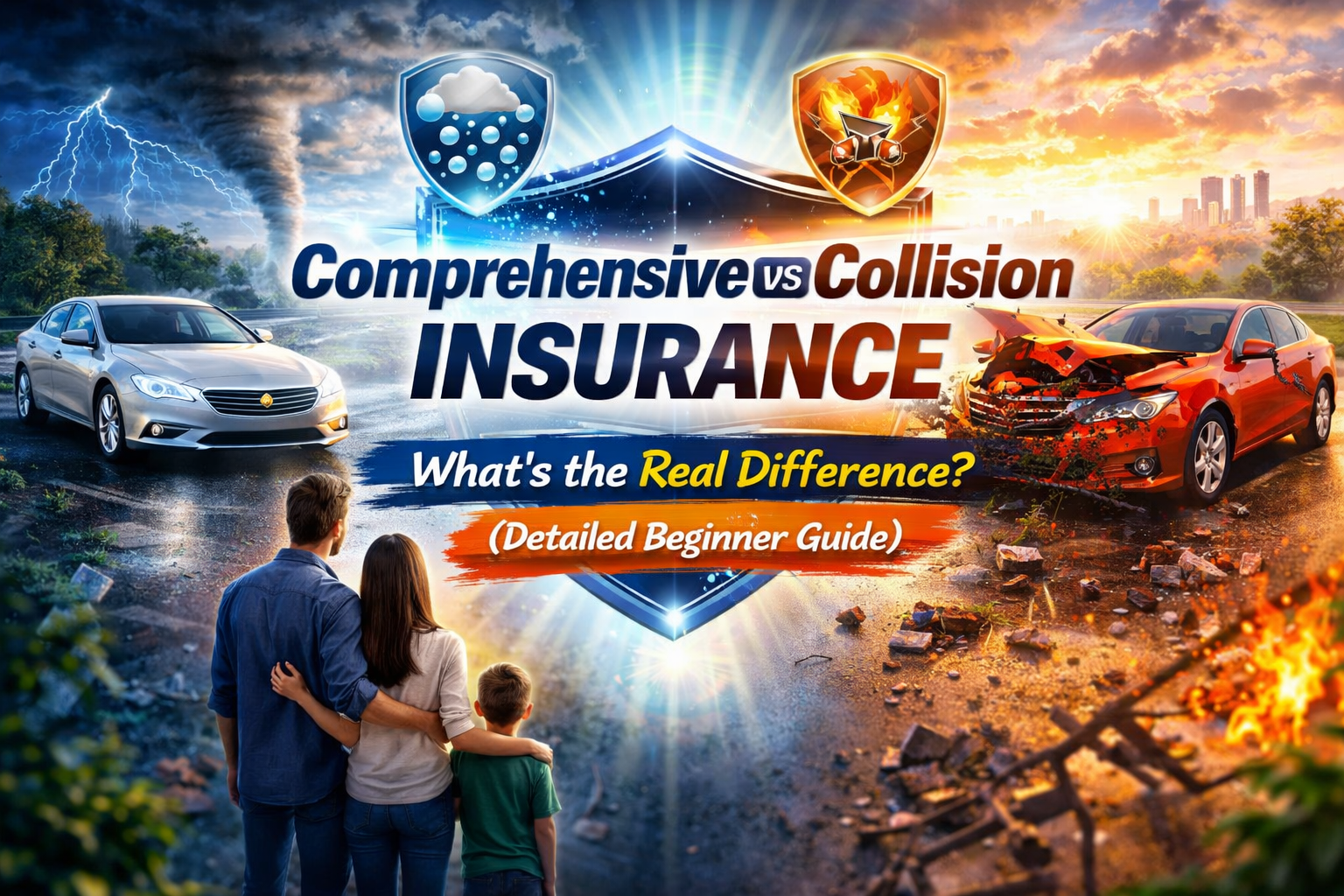
When choosing car insurance, one of the most confusing decisions is understanding comprehensive vs collision insurance.
They’re often bundled together, both protect your car, and both sound important but they work in completely different ways.
If you don’t understand the difference, you might end up underinsured or paying for coverage you don’t actually need.
In this guide, we’ll break down comprehensive vs collision insurance in detail, using simple explanations, real-life examples, and practical insights so you can confidently decide what’s right for you.
What Is the Core Difference Between Comprehensive vs Collision Insurance?
At the most basic level, the difference comes down to how the damage happens.
- Comprehensive insurance covers damage caused by events outside your control (non-collision)
- Collision insurance covers damage caused by crashing into something
That’s it but the real understanding comes from diving deeper into how each one works in real situations.
Comprehensive Insurance Explained in Depth
Comprehensive insurance is designed to protect your car from unexpected and uncontrollable risks. These are situations where you didn’t directly cause the damage through driving.
Think of it as protection against “life happening” to your car.
For example, if your car is parked outside and a storm hits, causing a tree to fall on it, that damage would be covered under comprehensive insurance. Similarly, if your car is stolen overnight, comprehensive coverage helps compensate for the loss.
This type of insurance also covers incidents like fire, vandalism, and even animal-related damage. If a stray animal damages your vehicle or you hit an animal on the road, comprehensive insurance usually applies because it’s considered beyond normal driving risk.
What makes comprehensive coverage valuable is that it protects against rare but expensive events. These situations may not happen often, but when they do, the financial impact can be significant.
Collision Insurance Explained in Depth
Collision insurance focuses specifically on accidents involving your vehicle hitting something.
This includes not only crashes with other cars but also accidents where you hit stationary objects like poles, walls, or barriers. Even if you’re the only vehicle involved, collision insurance still applies.
For instance, if you lose control of your car and hit a divider, or accidentally reverse into a wall while parking, collision insurance will cover the damage to your car.
One important thing to understand is that collision insurance works regardless of who is at fault. Whether the accident was your mistake or someone else’s, your policy can still help pay for repairs.
This makes collision coverage essential for everyday driving because accidents are much more common than the risks covered under comprehensive insurance.
How Risk Types Differ Between the Two
The biggest difference in comprehensive vs collision insurance comes down to the type of risk each one covers.
Comprehensive insurance deals with external and unpredictable risks. These include things like weather damage, theft, or vandalism—events you generally cannot control or prevent.
Collision insurance, however, deals with driving-related risks. These are situations that occur while operating the vehicle, often involving human error or road conditions.
This distinction is important because it helps you understand where your biggest risks lie. If you drive frequently in busy areas, collision insurance becomes crucial. If you live in a place with high theft rates or extreme weather, comprehensive insurance becomes more valuable.
Real-Life Scenario Breakdown
To fully understand comprehensive vs collision insurance, it helps to look at real-world situations.
Imagine your car is parked outside your house and a heavy storm causes a tree branch to fall on it. Since this damage was caused by a natural event and not a crash, comprehensive insurance would cover it.
Now imagine you’re driving and accidentally hit another car at a traffic signal. This is clearly a collision, so collision insurance would be responsible for covering the damage to your vehicle.
In another situation, if your car is stolen from a parking lot, comprehensive insurance would again apply because theft is a non-collision event.
But if you accidentally hit a pole while parking, that falls under collision coverage.
These examples show how both types of insurance complement each other but handle completely different situations.
Why Many Drivers Choose Both
When comparing comprehensive vs collision insurance, it’s not always about choosing one over the other. In fact, many drivers choose to have both.
This combination is often referred to as “full coverage,” although it’s not an official term. Having both types of insurance ensures that your vehicle is protected from a wide range of risks, including accidents and non-collision events.
For example, if you only have comprehensive insurance, you won’t be covered in case of an accident. On the other hand, if you only have collision insurance, you won’t be protected against theft or natural disasters.
By combining both, you create a more complete safety net for your vehicle.
Cost Differences Between Comprehensive vs Collision Insurance
Another key factor to consider is cost.
Generally, comprehensive insurance is cheaper than collision insurance. This is because the events it covers are less frequent compared to accidents, which happen more often.
Collision insurance tends to have higher premiums because it deals with more common risks and often involves higher repair costs.
However, the exact price depends on several factors, including your driving history, location, type of car, and chosen deductible.
It’s important to remember that cheaper doesn’t always mean better. The goal is to balance affordability with the level of protection you actually need.
When Comprehensive Insurance Makes More Sense
Comprehensive insurance becomes more valuable in situations where external risks are higher than driving risks.
For example, if you live in an area prone to floods, storms, or theft, comprehensive coverage is extremely important. It protects your vehicle from risks that have nothing to do with your driving behavior.
It’s also a good option if your car is parked for long periods or not driven frequently, since many risks (like theft or vandalism) can happen while the car is stationary.
When Collision Insurance Is More Important
Collision insurance is essential if you drive regularly, especially in busy cities or high-traffic areas.
Since accidents are more common than events like theft or natural disasters, collision coverage provides protection against everyday risks on the road.
If your car is valuable or expensive to repair, collision insurance can save you from large out-of-pocket costs after an accident.
How to Decide Between Comprehensive vs Collision Insurance
Choosing between comprehensive vs collision insurance depends on your personal situation.
You should consider factors like:
- Your car’s value
- Your driving habits
- Your location
- Your financial ability to cover repairs
If your car is new or expensive, having both coverages is usually the safest option. If your car is older and not worth much, you might decide to drop one or both to save money.
The key is to match your insurance coverage with your real-world risks.
FAQs
What is the main difference between comprehensive and collision insurance?
The main difference is that comprehensive covers non-collision events like theft and weather damage, while collision covers accidents involving your vehicle hitting something.
Can I have both comprehensive and collision insurance?
Yes, many drivers choose both for full protection against a wide range of risks.
Which is more important: comprehensive or collision?
It depends on your situation. Collision is more important for frequent drivers, while comprehensive is important for protection against external risks.
Is comprehensive insurance cheaper than collision?
Yes, comprehensive insurance is usually cheaper because it covers less frequent events.
Do I need both types of insurance?
Not always, but having both provides the most complete protection for your vehicle.
Conclusion
Understanding comprehensive vs collision insurance is key to making smart decisions about your car insurance.
Comprehensive insurance protects against unexpected, non-collision events like theft and weather damage, while collision insurance covers accidents involving your vehicle.
Both serve different purposes, and choosing the right combination depends on your needs, risks, and budget.

Most people buy health insurance and forget about it… until something goes wrong.
Then suddenly, you’re digging through documents, confused about what’s covered and what’s not.
Here’s the truth: your policy likely includes more benefits than you realize. Understanding these hidden health insurance policy benefits you should know can help you save money, access better care, and avoid unnecessary stress.
In this guide, you’ll learn exactly what most people overlook and how to use it to your advantage.
Hidden health insurance benefits are additional features and coverages included in your policy that are often overlooked or underused.
These may include:
- Free annual health checkups
- Mental health treatment coverage
- Alternative medicine treatments
- Cashless hospitalization
- Emergency ambulance services
- Wellness rewards and discounts
Using these benefits effectively can reduce healthcare costs and improve your overall coverage experience.
What Are Hidden Health Insurance Policy Benefits?
Hidden benefits aren’t actually secret they’re just buried in the fine print or poorly explained.
Most policies go beyond basic hospitalization and include extra features designed to support your health and finances.
These often include:
- Preventive healthcare services
- Daycare procedures (no overnight stay needed)
- Coverage for modern and advanced treatments
- Emergency and support services
Unfortunately, many people never use them simply because they don’t know they exist.
Free Preventive Health Checkups You Should Be Using
One of the most valuable hidden health insurance policy benefits you should know is preventive care.
What’s Included?
- Annual full-body checkups
- Blood tests and screenings
- Early diagnosis services
Why It Matters
Preventive care helps you:
- Detect diseases early
- Avoid expensive treatments later
- Stay on top of your health
Pro Tip: If your plan offers a free yearly checkup, use it this is one of the easiest ways to get value from your policy.
Mental Health Coverage Is No Longer Optional
Mental health support is now included in many modern insurance plans.
What’s Typically Covered?
- Therapy sessions
- Psychiatric consultations
- Prescribed medications
Why This Benefit Matters
Mental healthcare can be expensive. With coverage, you get:
- Affordable access to professionals
- Reduced financial burden
- Better overall well-being
Coverage for Alternative Treatments (AYUSH)
Another overlooked benefit is coverage for alternative medicine.
Treatments That May Be Included
- Ayurveda
- Homeopathy
- Unani
- Acupuncture
Why It’s Useful
If you prefer natural or traditional healing methods, this benefit gives you more flexibility in treatment options.
Cashless Hospitalization: More Than Emergency Use
Many people think cashless treatment only applies in emergencies. That’s not the full picture.
What You Get
- No upfront payments at network hospitals
- Direct settlement between insurer and hospital
- Faster admission process
Hidden Advantage
Cashless services can also be used for planned treatments, not just emergencies.
Daycare Procedures: No Overnight Stay Needed
Modern insurance plans cover treatments that don’t require 24-hour hospitalization.
Common Daycare Procedures
- Cataract surgery
- Dialysis
- Chemotherapy
- Minor surgical procedures
Why This Matters
Earlier, these were not covered unless you stayed overnight. Now, you can claim shorter treatments easily.
Ambulance and Emergency Services Coverage
This is one of the most ignored benefits but it’s extremely useful.
What’s Included
- Emergency ambulance charges
- Hospital-to-hospital transfers
- Air ambulance (in premium plans)
Why You Should Care
Emergency transport costs can add up quickly. If your policy covers it, always claim it.
No-Claim Bonus (NCB): Get Rewarded for Staying Healthy
Insurance companies reward you for not making claims.
How It Works
- Your coverage amount increases over time
- You may get discounts on premiums
- Extra benefits without extra cost
Example
A policy with $10,000 coverage can grow significantly through accumulated bonuses.
Maternity and Newborn Benefits You Might Overlook
Many policies include maternity coverage but it comes with conditions.
What’s Covered
- Delivery expenses
- Pre- and postnatal care
- Newborn baby coverage
Important Note
Most plans have a waiting period of 2–4 years, so early planning is key.
Health and Wellness Programs
Insurance is no longer just about treatment it’s about prevention and lifestyle.
Common Perks
- Gym membership discounts
- Fitness rewards
- Diet and nutrition consultations
- Premium discounts for healthy habits
Why It’s Valuable
These programs help you stay healthy while saving money at the same time.
Step-by-Step Guide: How to Unlock Hidden Benefits
Step 1: Read Your Policy Document
Don’t skip the details this is where most benefits are listed.
Step 2: Contact Your Insurer
Ask directly about all available features and perks.
Step 3: Use Network Hospitals
This ensures access to cashless treatment and better benefits.
Step 4: Track Your Usage
Keep a record of what benefits you’ve used and what’s still available.
Step 5: Schedule Preventive Care
Take advantage of free checkups before problems arise.
Key Benefits of Knowing Hidden Features
Understanding these hidden health insurance policy benefits you should know helps you:
- Save money on healthcare
- Reduce out-of-pocket expenses
- Access more treatment options
- Make smarter healthcare decisions
- Get full value from your policy
Common Mistakes to Avoid
Ignoring Policy Details
Most people never read their full policy and miss key benefits.
Not Using Free Services
Skipping checkups means wasting benefits you already paid for.
Assuming All Plans Are the Same
Every insurer offers different features and always compares.
Overlooking Waiting Periods
Some benefits only activate after a certain time.
Not Updating Your Coverage
Your health needs to change.
FAQs
1. What are hidden benefits in health insurance?
They are extra features included in your policy that are often overlooked, such as preventive care and wellness programs.
2. Do all health insurance plans offer these benefits?
No, benefits vary depending on the insurer and the type of plan.
3. How can I find out what my policy includes?
Check your policy document or contact your insurance provider directly.
4. Are preventive health checkups really free?
Many policies include free annual checkups, but limits may apply.
5. What is a no-claim bonus?
It’s a reward given by insurers for not making claims, usually as increased coverage or lower premiums.
6. Does insurance cover mental health treatment?
Yes, many modern policies include therapy and psychiatric support.
7. Can I use multiple benefits in one year?
Yes, as long as they fall within your policy limits and terms.
Conclusion
Health insurance is more powerful than most people realize.
Once you understand these hidden health insurance policy benefits you should know, you can:
- Maximize your coverage
- Lower your medical expenses
- Make smarter healthcare choices
Don’t let valuable benefits go unused.
Take a few minutes today, review your policy, and start using everything you’re already paying for.

Ever wondered what does comprehensive insurance cover and whether it’s actually worth paying for?
Most people think car insurance only matters when you get into an accident. But real life isn’t that simple. Cars get stolen, storms hit unexpectedly, and random damage can happen when you least expect it. That’s exactly where comprehensive insurance steps in.
In this detailed guide, you’ll learn what comprehensive insurance really covers, what it doesn’t, and how it works in everyday situations. Everything is explained in a simple, beginner-friendly way so you can actually make smart decisions about your coverage.
What Does Comprehensive Insurance Cover?
To fully understand what does comprehensive insurance cover, you need to look at the different types of risks it protects against. Each category plays an important role in real-world situations.
Theft and Attempted Theft
One of the biggest reasons people choose comprehensive insurance is protection against theft. Car theft is more common than most people realize, especially in urban areas. If your car is stolen and not recovered, comprehensive insurance can reimburse you based on the car’s current market value.
Even if the car is not stolen completely, attempted theft can still cause serious damage. Broken locks, smashed windows, or damaged ignition systems are all typically covered. This means you won’t have to pay out of pocket for repairs caused by someone trying to steal your vehicle.
Natural Disasters and Environmental Damage
Nature can be unpredictable, and damage from natural disasters can be extremely expensive. Comprehensive insurance covers a wide range of environmental risks, including floods, earthquakes, storms, and lightning strikes.
For example, if heavy rain floods your car’s engine or interior, the repair costs can be significant. Without comprehensive insurance, you would have to cover those expenses yourself. With it, your insurer helps absorb that financial burden.
This type of coverage is especially important if you live in areas prone to extreme weather conditions.
Fire and Explosion Damage
Fire damage is another serious risk that comprehensive insurance protects against. Whether the fire is caused by an electrical fault, overheating engine, or an external factor, repairs can be costly.
In some cases, the vehicle may be completely destroyed, and comprehensive insurance can help cover the replacement cost. This type of protection ensures that a sudden and unexpected fire doesn’t leave you with a major financial loss.
Vandalism and Intentional Damage
Vandalism is unfortunately a common issue, especially in busy cities or poorly lit areas. Scratched paint, broken mirrors, or smashed windows can happen without warning.
Comprehensive insurance covers these types of intentional damages, allowing you to repair your car without worrying about the full cost. Even though vandalism may seem minor at first, repeated incidents can add up quickly, making this coverage very valuable.
Falling Objects and Unexpected Incidents
Sometimes damage comes from completely random events, like a tree branch falling during a storm or construction debris hitting your car. These incidents are rare but can cause serious damage when they happen.
Comprehensive insurance covers these unpredictable situations, ensuring that you are protected even when the cause of damage is unusual or unexpected. This type of coverage fills the gap that most standard insurance policies do not address.
Animal-Related Damage
Animal damage is one of the most overlooked aspects of comprehensive insurance. This includes situations where you hit an animal on the road or when animals damage your car while it is parked.
For example, rodents sometimes chew on electrical wiring inside vehicles, leading to expensive repairs. Comprehensive insurance usually covers these kinds of damages, saving you from unexpected repair bills.
Weather-Related Damage
Severe weather conditions can damage your car in multiple ways. Hail can dent the body, strong winds can break windows, and storms can cause debris to hit your vehicle.
Comprehensive insurance covers these weather-related damages, making it especially useful for people living in regions with unpredictable climates. Instead of worrying about repair costs after every storm, you can rely on your insurance for support.
Glass and Windshield Damage
Glass damage is very common and can happen from small incidents like flying rocks on the road. Repairing or replacing a windshield can be expensive, especially for modern vehicles with advanced sensors.
Comprehensive insurance usually covers glass damage, allowing you to fix or replace your windshield without paying the full cost. Some policies even offer zero-deductible glass repair, which makes it even more convenient.
What Is NOT Covered by Comprehensive Insurance?
While it’s important to understand what comprehensive insurance covers, it’s equally important to know its limitations.
Comprehensive insurance does not cover damage caused by collisions. If you crash into another vehicle or object, you will need collision insurance for that. It also does not cover regular wear and tear, such as aging parts or mechanical breakdowns.
Additionally, personal belongings inside your car are not included. If items like phones or laptops are stolen from your vehicle, you would need a separate insurance policy, such as home or renters insurance, to cover those losses.
Understanding these exclusions helps you avoid surprises when filing a claim.
Real-Life Examples of Comprehensive Insurance
To make things clearer, let’s look at how comprehensive insurance works in real situations.
Imagine waking up one morning and finding that your car has been stolen. This is a stressful situation, but comprehensive insurance helps reduce the financial impact by covering the loss of your vehicle.
Now consider a different scenario where a heavy storm causes a tree to fall on your parked car. The damage could be severe, but comprehensive insurance would typically cover the repair costs.
In another case, if you accidentally hit another car while driving, comprehensive insurance would not apply. That situation would fall under collision coverage instead.
These examples show how comprehensive insurance is designed to handle specific types of risks.
Comprehensive vs Collision Insurance
Many beginners confuse comprehensive insurance with collision insurance, but they serve different purposes.
Comprehensive insurance focuses on non-collision events like theft, weather damage, and vandalism. Collision insurance, on the other hand, covers accidents involving your vehicle hitting another object or car.
Both types of coverage are important, and many drivers choose to combine them for full protection. This combination is often referred to as “full coverage,” although it’s not an official policy type.
Do You Really Need Comprehensive Insurance?
Deciding whether you need comprehensive insurance depends on your personal situation.
If your car is new or has a high market value, comprehensive insurance is usually a smart investment. It protects you from large financial losses that could occur due to theft or unexpected damage.
On the other hand, if your car is older and has a low value, the cost of insurance might outweigh the benefits. In such cases, it may make more sense to skip comprehensive coverage and save money.
You should also consider your location. If you live in an area with high crime rates or frequent natural disasters, comprehensive insurance becomes more important.
How Much Does Comprehensive Insurance Cost?
The cost of comprehensive insurance varies depending on several factors, including your vehicle, location, and driving history.
Generally, comprehensive insurance is more affordable than collision coverage because it covers less frequent types of claims. However, the exact cost depends on your risk profile.
Your deductible also plays a major role. A higher deductible lowers your monthly premium but increases the amount you pay out of pocket when making a claim. Choosing the right balance is key to managing your costs effectively.
Tips to Save Money on Comprehensive Insurance
If you want to reduce your insurance costs without sacrificing protection, there are several strategies you can use.
Increasing your deductible is one of the simplest ways to lower your premium. While this means you’ll pay more during a claim, it can significantly reduce your monthly payments.
Bundling your insurance policies is another effective strategy. Many insurers offer discounts if you combine auto insurance with home or other policies.
Installing safety features such as anti-theft devices can also help lower your premium. Insurance companies often reward drivers who take steps to reduce risk.
Finally, always compare quotes from different providers. Prices can vary widely, so shopping around ensures you get the best deal.
FAQs
What does comprehensive insurance cover in simple terms?
Comprehensive insurance covers damage to your car caused by non-collision events like theft, weather, fire, and vandalism. It protects you from unexpected situations that are usually out of your control.
Is hitting an animal covered by comprehensive insurance?
Yes, hitting an animal is generally covered under comprehensive insurance because it is not considered a collision with another vehicle.
Does comprehensive insurance cover engine damage?
It only covers engine damage if it is caused by an external event like flooding or fire. Regular mechanical issues are not included.
Is comprehensive insurance mandatory?
No, it is not legally required. However, lenders may require it if your car is financed or leased.
Does it cover stolen items inside the car?
No, personal belongings inside the vehicle are not covered. You would need a separate insurance policy for that.
Can I remove comprehensive insurance anytime?
Yes, you can remove it, but you should consider the risks before doing so, especially if your car still has significant value.
Conclusion
So, what does comprehensive insurance cover?
It protects your car from a wide range of unexpected events like theft, natural disasters, fire, and vandalism. While it doesn’t cover accidents, it plays a crucial role in protecting your vehicle from non-collision risks.
If your car is valuable or you live in a high-risk area, comprehensive insurance can save you from major financial stress. Take the time to evaluate your needs, compare options, and choose a policy that gives you real peace of mind.
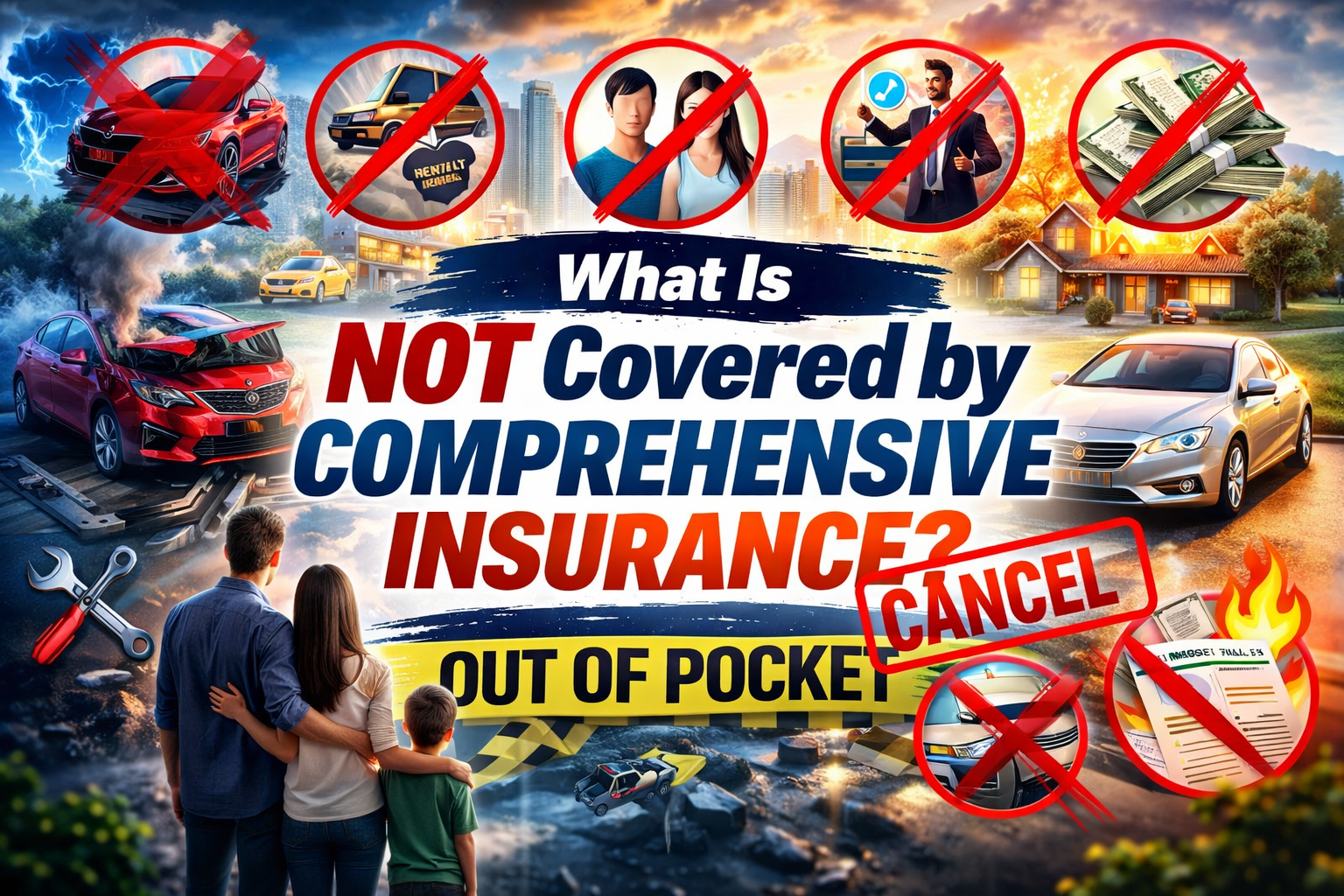
When people ask what does comprehensive insurance cover, they usually focus on theft, weather damage, or vandalism. But here’s the part most guides skip what comprehensive insurance does NOT cover.
And honestly, this is where mistakes happen.
Many drivers assume they’re fully protected, only to find out during a claim that certain damages aren’t included. That’s why understanding exclusions is just as important as knowing the benefits.
In this guide, you’ll get a clear, beginner-friendly breakdown of what is not covered by comprehensive insurance, so you don’t get caught off guard.
Collision Damage Is NOT Covered
One of the biggest misconceptions is thinking comprehensive insurance covers accidents. It doesn’t.
If your car hits another vehicle, a wall, or even a pole, that damage falls under collision insurance, not comprehensive coverage.
For example, if you lose control of your car and crash into a divider, your comprehensive policy won’t help. You would need collision coverage to pay for repairs.
This is why many drivers choose both types of insurance together; relying only on comprehensive insurance can leave a major gap in protection.
Normal Wear and Tear Is Excluded
Cars naturally wear down over time. Parts get old, paint fades, and components stop working as they should.
Comprehensive insurance does not cover:
- Worn-out tires
- Brake pad replacement
- Rust or corrosion
- Paint fading
These are considered part of regular vehicle ownership, not unexpected damage.
Insurance is designed for sudden and accidental events, not gradual deterioration.
Mechanical and Electrical Failures Are Not Included
If your engine fails or your car suddenly stops working due to an internal issue, comprehensive insurance won’t cover it.
This includes:
- Engine breakdown
- Transmission failure
- Electrical malfunctions
Unless the damage is caused by an external event (like flooding or fire), repairs are your responsibility.
For these types of issues, you would need a mechanical warranty or extended service plan, not insurance.
Personal Belongings Inside the Car Are Not Covered
A lot of people assume their valuables are protected if they’re inside the car. Unfortunately, that’s not how it works.
If someone breaks into your car and steals items like:
- Mobile phones
- Laptops
- Bags
- Cash
Comprehensive insurance will cover the damage to your car (like broken windows), but not the stolen items.
To protect personal belongings, you would need home insurance or renters insurance.
Intentional Damage Is Not Covered
Insurance is meant for unexpected events, not deliberate actions.
If damage is caused intentionally whether by you or someone else in certain situations — it may not be covered.
For example:
- Damaging your own car on purpose
- Insurance fraud attempts
- Allowing someone to intentionally harm your vehicle
Insurance companies investigate claims carefully, and intentional damage can lead to claim denial or even policy cancellation.
Poor Maintenance Can Void Coverage
Neglecting your car can lead to claim rejection.
If damage happens because you failed to maintain your vehicle properly, your insurance company may refuse to pay.
Examples include:
- Ignoring oil leaks leading to engine damage
- Driving with worn-out parts that cause failure
- Not fixing known issues
Comprehensive insurance expects you to take reasonable care of your vehicle. It’s not a replacement for basic maintenance.
Commercial Use May Not Be Covered
If you’re using your personal car for business purposes, your comprehensive insurance might not apply.
This includes:
- Ride-sharing services
- Delivery driving
- Commercial transport
Standard policies are designed for personal use only. If you use your car for earning money, you may need a commercial auto insurance policy.
Driving Without a Valid License
If an accident or damage occurs while you (or someone driving your car) do not have a valid driver’s license, your claim may be denied.
Insurance companies require that drivers meet legal requirements. If those conditions aren’t met, coverage can become invalid.
This is a commonly overlooked rule but extremely important.
Policy Limits and Deductibles Still Apply
Even when something is technically covered, there are limits.
Every comprehensive insurance policy includes:
- Deductible (the amount you pay before insurance kicks in)
- Coverage limit (maximum amount insurer will pay)
So if the damage cost is lower than your deductible, you’ll have to pay for it yourself.
Also, if your car’s value is low, the payout may not fully cover replacement costs.
Real-Life Situations Where You’re NOT Covered
Let’s make this super clear with examples.
Scenario 1:
You crash into another car.
👉 Not covered (collision damage)
Scenario 2:
Your engine stops working due to internal failure.
👉 Not covered (mechanical issue)
Scenario 3:
Someone steals your laptop from your car.
👉 Not covered (personal belongings)
Scenario 4:
Your car breaks down due to poor maintenance.
👉 Not covered (negligence)
Why Understanding Exclusions Matters
Knowing what is not covered by comprehensive insurance helps you avoid costly surprises.
It also allows you to:
- Choose the right additional coverage
- Avoid claim rejections
- Plan your finances better
- Make smarter insurance decisions
Many people only realize these gaps after a problem happens by then, it’s already too late.
FAQs
Does comprehensive insurance cover accidents?
No, accidents are covered under collision insurance, not comprehensive insurance.
Does it cover engine failure?
No, unless the damage is caused by an external event like fire or flooding.
Are stolen items inside the car covered?
No, only damage to the car is covered, not personal belongings.
Can insurance deny a claim due to poor maintenance?
Yes, if the damage is linked to neglect or lack of maintenance, the claim can be rejected.
Is business use covered under comprehensive insurance?
Usually not. You may need a commercial policy for business-related use.
Conclusion
Understanding what is not covered by comprehensive insurance is just as important as knowing what it does cover.
While it protects against theft, weather, and unexpected damage, it does not cover accidents, mechanical failures, personal items, or neglect-related issues.
The key takeaway? Comprehensive insurance is powerful but not complete on its own.
If you want full protection, consider combining it with other coverage types and always read your policy carefully before relying on it.

Hidden Health Insurance Policy Benefits You Should Know (Complete Guide)

Comprehensive vs Collision Insurance: What’s the Real Difference? (Detailed Beginner Guide)

What Does Comprehensive Insurance Cover? (Complete Beginner-Friendly Guide)

How Much Is Health Insurance a Month?

Will Insurance Cover Ozempic? This Information Tells You the Truth

What Does Life Insurance Cover?7 Must-Known Facts to Protect Your Loved Ones!
-
Health Insurance1 year ago
How Much Is Health Insurance a Month?
-
General Insurance1 year ago
Will Insurance Cover Ozempic? This Information Tells You the Truth
-
Life Insurance1 year ago
What Does Life Insurance Cover?7 Must-Known Facts to Protect Your Loved Ones!
-
 Auto Insurance1 year ago
Why Is My Auto Insurance So High? There Is a Secret Behind High Auto Insurance Costs That Goes Unknown
-
General Insurance3 months ago
Can Cowboys Get Life Insurance?
-

 Auto Insurance3 months ago
How Impound Insurance Works After Your Car Is Seized
-

 Health Insurance3 months ago
Prima Car Insurance Reviews: Is It the Right Choice for Your Ride?
-
 Life Insurance1 year ago
What Is Life Insurance? Everything You Need to Know!