
Auto Insurance
Gap Insurance for Cars: Everything You Need to Know About Protecting Your Loan in 2026


Why Your Car Loan Could Leave You at Risk
Imagine this scenario:
You buy a brand-new car and drive it off the lot. A few months later, it’s totaled in an accident. You file a claim expecting your insurance to cover the loss but your standard auto policy only pays current market value, which is less than what you owe on the loan.
Suddenly, you’re on the hook for thousands of dollars. This is where gap insurance, also called loan payoff insurance or negative equity protection, comes in.
As a senior auto insurance advisor, I’ve helped countless drivers avoid this financial trap. Gap insurance can be a lifesaver but only if you understand when and how to buy it.
In this guide, you’ll learn:
- What gap insurance is and how it works
- Who needs it and when to purchase it
- Real-world examples and cost breakdowns
- How it protects you from negative equity
- Tips to save money while staying protected
By the end, you’ll know whether gap insurance is worth it for your car and your budget.
What Is Gap Insurance?
Gap insurance is a supplemental auto insurance policy designed to cover the “gap” between what your car is worth and what you still owe on a loan or lease.
- Also called loan payoff insurance or negative equity protection
- Protects you financially if your car is totaled or stolen
- Usually purchased at the same time as a new car or lease
Key insight: Standard auto insurance covers actual cash value (ACV), which depreciates quickly. Gap insurance covers the difference between ACV and your outstanding balance.
How Gap Insurance Works
- Accident or Total Loss Occurs
- Your car is declared a total loss by your insurance company.
- Your car is declared a total loss by your insurance company.
- Insurance Pays Actual Cash Value
- Standard auto insurance covers only the market value of the car.
- Standard auto insurance covers only the market value of the car.
- Gap Insurance Covers Remaining Loan
- Covers the negative equity—what you still owe minus the insurance payout.
- Covers the negative equity—what you still owe minus the insurance payout.
Example:
- Car purchased for $30,000
- Loan balance after 6 months: $28,000
- Market value at time of accident: $25,000
Without gap insurance: You pay $3,000 out-of-pocket.
With gap insurance: The $3,000 difference is covered.
Why Gap Insurance Matters
1. Cars Depreciate Quickly
- New cars can lose 20–30% of their value in the first year
- Standard insurance only covers market value, not the loan balance
2. Loan Terms Can Increase Risk
- Long-term loans or low down payments create negative equity
- Negative equity = you owe more than the car is worth
3. Peace of Mind
- Reduces financial stress after accidents or theft
- Prevents unpaid loan balances from harming credit
Expert note: Gap insurance is especially valuable for leased cars or new cars with small down payments.
Who Needs Gap Insurance?
Gap insurance is not for everyone. It’s most valuable for drivers who:
- Finance or lease a new vehicle
- Made a small down payment (less than 20%)
- Took out a long-term loan (60+ months)
- Drive high-depreciation vehicles
- Want to avoid paying out-of-pocket for a total loss
Who Might Not Need It
- Drivers who pay cash for their car
- Older vehicles with minimal loans remaining
- Cars that hold value well over time
Rule of thumb: If you owe more than your car is worth, gap insurance is worth considering.
Is Gap Insurance Really Worth It?
Short answer: Yes, in many cases but it depends on your situation.
Cost vs Protection
- Average cost: $20–$60/year (if purchased separately)
- Lease or dealer-added policies: $400–$700 one-time fee
- Covers thousands in negative equity in a total loss scenario
Real-Life Example
Scenario: Mark finances a $35,000 car with 10% down.
- Loan balance after 1 year: $32,000
- Car stolen or totaled: insurance pays $28,000
- Negative equity: $4,000
With gap insurance: $4,000 covered
Without gap insurance: Mark pays $4,000 out-of-pocket
Expert insight: The relatively low cost of gap insurance compared to potential out-of-pocket expenses makes it worthwhile for many drivers.
When Should You Buy Gap Insurance?
1. At the Time of Purchase or Lease
- Best to buy from dealer or insurer at purchase
- Ensures coverage from day one
2. Before Negative Equity Occurs
- If you owe more than your car’s ACV, don’t wait
- Early coverage avoids large out-of-pocket expenses
3. For Leased Vehicles
- Most lease agreements require gap coverage
- Protects you from high depreciation losses
Pro Tip: Check your policy for loan payoff coverage some insurers include gap insurance automatically.
Types of Gap Insurance
1. Dealer Gap Insurance
- Offered at point of sale
- Often rolled into monthly payments
- Pros: Convenient, immediate coverage
- Cons: Usually more expensive than standalone policies
2. Standalone Gap Insurance
- Purchased through an independent insurance company
- Pros: Lower cost, flexible terms
- Cons: Must manage separately from auto insurance
3. Lease-End Gap Coverage
- Mandatory for many leased vehicles
- Automatically added to monthly lease payments
How to Save Money on Gap Insurance
Tip 1: Compare Quotes
- Don’t automatically buy from the dealer
- Standalone policies can save hundreds
Tip 2: Opt for a Shorter Coverage Term
- Only purchase until loan balance equals car value
Tip 3: Combine With Auto Insurance
- Some insurers offer discounts if purchased with comprehensive and collision
Tip 4: Make a Larger Down Payment
- Reduces negative equity
- May reduce or eliminate the need for gap insurance
Common Mistakes With Gap Insurance
Mistake #1: Waiting Too Long
- Coverage only protects from the date purchased
- Negative equity can accumulate quickly
Mistake #2: Assuming Standard Insurance Covers the Gap
- Actual cash value payouts rarely match loan balances
- Always confirm if your policy includes gap coverage
Mistake #3: Forgetting Lease Requirements
- Leased cars almost always require gap insurance
- Skipping it can violate your lease agreement
Real-Life Case Studies
Case Study #1: Total Loss Without Gap Insurance
- Vehicle: 2024 sedan, financed $30,000
- Accident after 1 year, car totaled
- Insurance payout: $25,000
- Out-of-pocket negative equity: $5,000
Case Study #2: Dealer Gap Insurance Saves Thousands
- Vehicle: 2025 SUV, leased
- Stolen after 6 months
- Insurance payout + gap coverage covered entire lease balance
- Saved $6,500 out-of-pocket
Case Study #3: Standalone Policy Saves Money
- Vehicle: 2023 compact car, financed
- Purchased gap insurance from independent insurer
- Cost: $45/year
- Total loss payout covered $4,200 negative equity
FAQs About Gap Insurance
Is gap insurance really worth it?
Yes, if you owe more than your car is worth. It can save thousands in negative equity during a total loss.
When should I buy gap insurance?
Ideally at purchase or lease, or as soon as you have a loan balance exceeding your car’s market value.
Does gap insurance cover deductible costs?
Some policies do; others only cover negative equity. Always check policy details.
Can I add gap insurance later?
Yes, but coverage only protects from the purchase date, not retroactively.
Is gap insurance required for leased cars?
Almost always. Many leases include or require gap coverage.
Conclusion: Gap Insurance Protects You From Financial Surprises
Cars depreciate fast, and loan balances can exceed market value. Without gap insurance, you risk paying thousands out-of-pocket if your car is totaled or stolen.
- Gap insurance = loan payoff insurance / negative equity protection
- Best purchased at lease or purchase
- Saves money and stress after accidents or theft
As an experienced insurance advisor, my advice is simple:
If you owe more than your car is worth, buy gap insurance.
Compare dealer and standalone options to save.
Pair with full coverage for maximum protection.Next Step:
Check with your insurer today to see if your policy includes gap insurance or purchase a standalone plan. Protect your loan, avoid negative equity, and drive with confidence.

Why Auto Insurance Is Different for Students
Being a student comes with enough challenges tuition, textbooks, and living expenses without having to pay exorbitant car insurance.
If you’re a college driver, understanding auto insurance for students can save you hundreds or even thousands of dollars per year.
Many students don’t realize that their age, driving record, and enrollment status can affect rates. But with the right approach and student car insurance discounts, you can get reliable coverage without breaking the bank.
This guide will show how insurance for college drivers works, which discounts to leverage, and actionable strategies to reduce premiums in 2026.
What Is Auto Insurance for Students?
Auto insurance for students is not a separate type of insurance, but rather a collection of policies and discounts that target drivers who are enrolled in school.
Insurers often offer special rates for students based on:
- Age and driving experience
- Academic performance
- Enrollment in college or university programs
- Driving habits and vehicle use
Key Point:
Insurers see students as potentially higher-risk due to age and inexperience but smart discounts can offset this risk significantly.
Why Auto Insurance for Students Matters More Than Ever in 2026
Several factors make this topic increasingly relevant:
- Rising tuition and living costs leave less money for premiums
- Inflation affecting insurance claims and vehicle repairs
- More telematics and usage-based insurance programs targeting young drivers
Without careful planning, students can pay far more than necessary. On average:
- College-age drivers pay 50–100% higher premiums than older adults
- But using student car insurance discounts can cut rates by 10–25%
Understanding your options now can save significant money over your college years.
How Auto Insurance for Students Works (Step-by-Step)
Step 1: Determine Your Coverage Needs
- Liability is often mandatory in most states
- Full coverage may be optional depending on car value
- Consider how often you drive and where
Step 2: Gather Student Documentation
- Proof of enrollment
- GPA documentation if seeking “good student” discounts
- Age verification
Step 3: Shop With Student-Friendly Insurers
- Some companies specialize in insurance for college drivers
- Comparison platforms can highlight student-specific discounts
Step 4: Apply for Discounts
- Good student discount (typically 3.0 GPA or higher)
- Driver education or defensive driving course
- Low-mileage or usage-based insurance
Step 5: Review and Adjust Annually
- Your driving habits and grades may change
- Regularly updating can keep premiums low
Key Factors That Affect Student Insurance Rates
- Age and experience – Younger drivers pay more
- Grades – High-performing students often qualify for discounts
- Driving record – Accidents and tickets increase rates
- Car type – Expensive or sports cars are costlier to insure
- Location – Urban campuses typically result in higher premiums
Who Qualifies for Student Car Insurance Discounts?
- Full-time students at an accredited college or university
- Students with GPA above 3.0 (good student discounts)
- Graduates still on family insurance plans
- Students who complete defensive driving programs
Even part-time students may qualify, depending on insurer policies.
How to Get Started With Auto Insurance for Students
Step 1: Check Existing Family Policies
- Many students can remain on parents’ insurance at reduced student rates
- Ask about discounts for students away at school
Step 2: Compare Quotes
- Use online tools to see rates from multiple insurers
- Focus on companies known for student car insurance discounts
Step 3: Consider Telemetrics or Pay-Per-Mile
- If you drive less than average, usage-based insurance can lower your premiums
Step 4: Maintain Good Grades and Driving Habits
- Even minor infractions can increase rates
- Good GPA and safe driving = measurable savings
Best Tools, Websites, or Platforms for Student Insurance
- Multi-insurer comparison sites that highlight college driver discounts
- Insurers with strong youth programs and GPA-based discounts
- Telematics apps for low-mileage students
Many students save $400–$900 per year simply by choosing insurers that actively offer student-focused savings.
Real Examples and Mini Case Studies
Case Study #1: Emily – Full-Time College Student in Ohio
- 20 years old, Toyota Corolla
- Premium without discount: $1,950/year
Strategy Used:
- Added “good student” discount
- Stayed on parents’ insurance
- Completed defensive driving course
Outcome:
- Premium reduced to $1,350/year
- Savings: $600 annually
Case Study #2: Jason – Part-Time Student With Low Mileage
- Premium: $2,200/year
Strategy Used:
- Switched to usage-based plan
- Applied low-mileage discount
- Removed unnecessary add-ons
Outcome:
- Premium reduced to $1,450/year
- Savings: $750 annually
Case Study #3: Sarah – College Athlete With Clean Driving Record
- Initial premium: $1,800/year
Strategy Used:
- “Good student” discount
- Safe driver and sports participation discounts
Outcome:
- Premium reduced to $1,250/year
- Savings: $550 annually
Common Mistakes Students Make With Car Insurance
- Thinking you’re too young to get discounts – Good student and defensive driving discounts apply
- Over-insuring old vehicles – Liability may be enough for older cars
- Ignoring telematics programs – Low-mileage students can save hundreds
- Failing to update school info – Insurers may adjust rates automatically if unaware of student status
- Not re-shopping annually – Student discounts and rates change frequently
Advanced Tips to Maximize Savings for College Drivers
Tip 1: Maintain Good Grades
- GPA 3.0+ usually qualifies for “good student” discount
- Can save 10–25% depending on insurer
Tip 2: Take Defensive Driving Courses
- Many insurers reward safe driving courses with 5–10% off
Tip 3: Limit Mileage
- Low-mileage students often qualify for usage-based or pay-per-mile insurance
Tip 4: Stay on Family Plan
- Being added to parents’ insurance is often cheaper than individual policies
Tip 5: Shop Multiple Quotes Annually
- College years are transient; comparing annually keeps rates competitive
FAQs About Auto Insurance for Students
Do students get car insurance discounts?
Yes. Many insurers offer student car insurance discounts, including good student, defensive driving, and low-mileage discounts.
Is insurance cheaper for good students?
Yes. Maintaining a GPA of 3.0 or higher often qualifies for a good student discount, which can reduce premiums by 10–25%.
Can I stay on my parents’ insurance as a student?
Most insurers allow college-aged students to remain on parents’ policy, often at discounted rates.
Are telematics programs good for students?
Yes. If you drive safely and/or minimally, pay-per-mile and usage-based insurance can reduce costs.
How often should students check insurance rates?
Every 6–12 months, or when grades, driving habits, or living arrangements change.
Conclusion: Take Control of Your Insurance as a Student
Being a student doesn’t mean you have to pay full price for car insurance. By leveraging student car insurance discounts, maintaining good grades, and shopping strategically, college drivers can save hundreds per year.
Next Steps:
- Review eligibility for student discounts
- Stay on parents’ plan if beneficial
- Compare quotes from multiple insurers
- Maintain safe driving and strong academics
Start saving now your wallet will thank you throughout your college years and beyond.
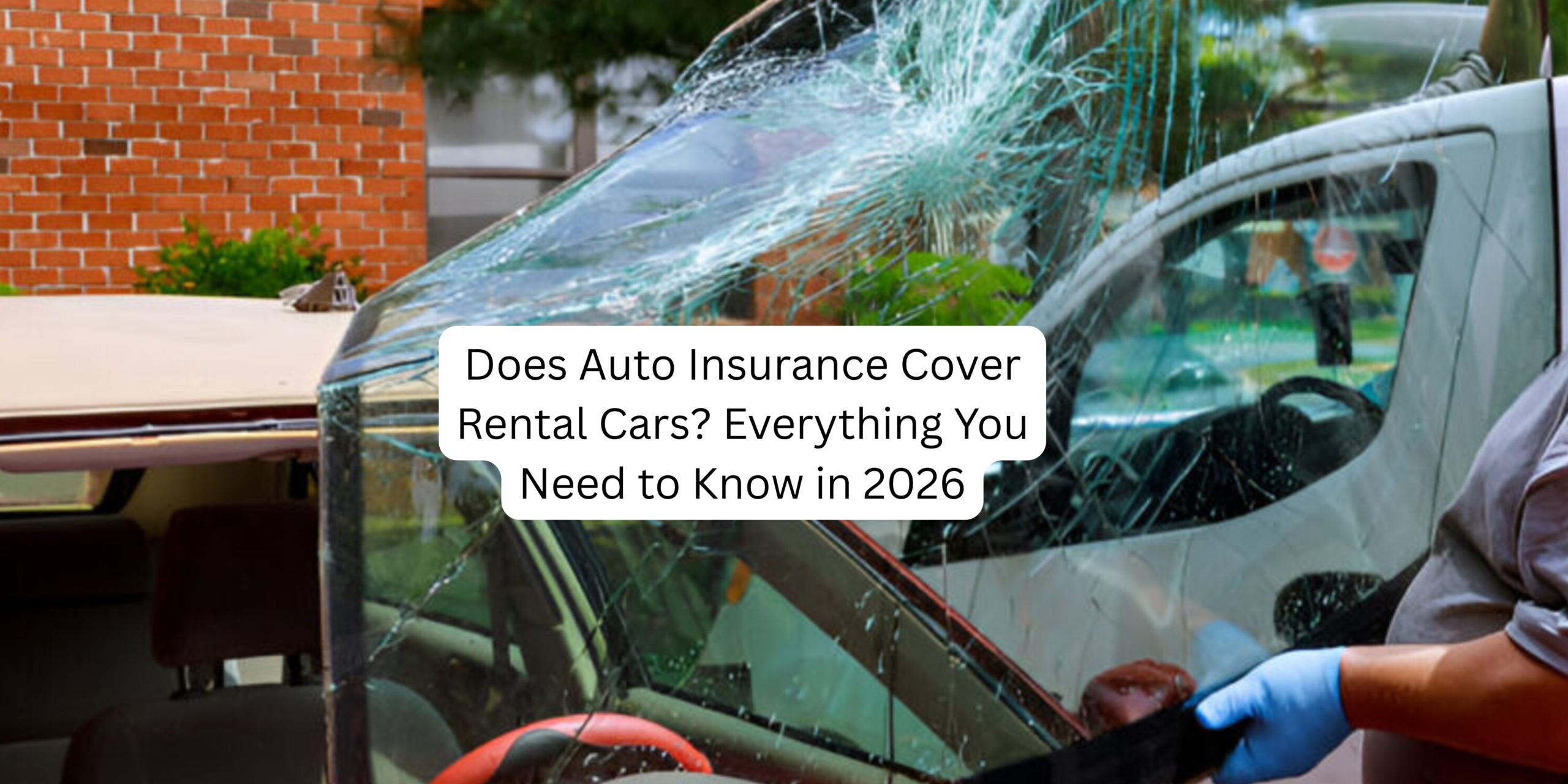
Renting a Car Doesn’t Have to Be Stressful
Imagine you’re on vacation or a business trip, and you need a rental car. You reach the counter, and the agent asks:
“Do you want our insurance?”
Your stomach drops do you really need extra coverage?
This is a common question because many drivers assume their personal auto insurance automatically applies to rental cars. The truth is: it depends. Understanding rental car coverage and insurance on rental vehicles can save you money and prevent nasty surprises.
This guide will explain everything you need to know in 2026: when your policy covers rentals, what gaps exist, and how to make sure you’re fully protected without overpaying.
What Is Rental Car Coverage?
Rental car coverage is insurance that protects you when you drive a vehicle you don’t own. It typically covers:
- Collision damage to the rental vehicle
- Liability for injuries or property damage
- Theft protection
There are a few ways to get this coverage:
- Through your personal auto insurance policy
- Through your credit card (many offer secondary coverage)
- Through the rental company’s insurance options
Key Point:
Understanding how your insurance interacts with rental coverage is critical to avoid paying for unnecessary duplicate policies.
Why Rental Car Coverage Matters in 2026
Rental cars are expensive to repair, especially newer models and EVs. A minor scratch or accident can cost hundreds or even thousands of dollars.
Additionally:
- Rental agreements often require some form of coverage
- Credit card coverage may have limits or exclusions
- Certain states require additional liability coverage
Without proper rental car coverage, you could be financially responsible for damage, theft, or even personal liability.
Real Numbers:
- Average collision damage waiver (CDW) costs $15–$30/day
- Average car repair for minor rental accidents: $800–$2,000
How Auto Insurance Covers Rental Cars (Step-by-Step)
Step 1: Check Your Personal Auto Policy
Most policies extend coverage to rental cars, but details vary:
- Liability coverage – Usually included
- Collision and comprehensive coverage – Often included if you have it on your personal vehicle
- Exclusions – Exotic cars, off-road vehicles, or rentals abroad
Step 2: Review Credit Card Benefits
- Many credit cards offer secondary rental insurance
- Covers collision damage not covered by your primary policy
- Often requires using the card to pay for the rental
Step 3: Decide If Extra Rental Insurance Is Needed
- If your personal insurance and/or credit card coverage is sufficient, extra insurance is optional
- If renting a high-value car or traveling internationally, consider purchasing CDW or liability coverage from the rental company
Key Factors That Affect Rental Car Coverage
- Type of personal insurance policy – Liability only vs full coverage
- Rental car type and location – Luxury, exotic, or foreign vehicles may have limited coverage
- Credit card terms – Some cards exclude certain rental periods or countries
- State requirements – Some states require additional liability coverage
Who Is Covered and Who Isn’t
- Covered: Drivers with valid personal auto insurance, meeting rental requirements
- Not covered: Drivers without full coverage, drivers renting for business purposes without prior approval, or drivers renting exotic/foreign cars
Always check your policy’s fine print—coverage limits, exclusions, and deductibles can vary.
How to Make Sure You’re Covered on a Rental Vehicle
Step 1: Call Your Insurance Provider
Ask specifically:
- Does my policy cover rental cars?
- Are there limits on duration or car type?
- Am I covered in other states or countries?
Step 2: Check Credit Card Terms
- Confirm secondary coverage
- Know the claim process in case of damage
Step 3: Consider Risk Factors
- High-value rental cars
- Trips in areas with higher accident/theft risk
- Long-term rentals
Step 4: Decide on Optional Rental Coverage
- Collision Damage Waiver (CDW)
- Supplemental Liability Insurance (SLI)
- Personal Effects Coverage (PEC)
Best Tools and Platforms for Rental Car Coverage
- Comparison sites: Check rental insurance rates before booking
- Credit card portals: Confirm included rental coverage benefits
- Insurance apps: Some allow you to verify rental car coverage instantly
Using these tools can save you money and prevent buying unnecessary coverage at the counter.
Real Examples and Mini Case Studies
Case Study #1: John – Domestic Business Trip
- Policy: Full coverage personal auto insurance
- Rental: Standard sedan
- Outcome: No additional rental insurance purchased, fully covered by existing policy
Case Study #2: Emily – Vacation in Europe
- Policy: Liability-only U.S. insurance
- Credit card: Secondary coverage for rentals
- Outcome: Purchased CDW from rental company to meet European requirements, avoiding large out-of-pocket costs
Case Study #3: Mike – Luxury Rental
- Policy: Full coverage but limited exotic car coverage
- Rental: High-end sports car
- Outcome: Purchased rental company CDW to cover gaps, ensuring peace of mind
Common Mistakes When Renting a Car
- Assuming personal insurance automatically covers everything
- Ignoring credit card benefits or exclusions
- Overlooking international rental requirements
- Skipping optional coverage for high-value vehicles
- Failing to document pre-existing damage
Advanced Tips to Save Money and Reduce Risk
Tip 1: Use Your Existing Coverage
- Liability, collision, and comprehensive coverage may already cover rental cars
- Confirm limits and deductibles
Tip 2: Leverage Credit Card Benefits
- Many premium credit cards offer rental car protection at no extra cost
- Pay with the card and follow claim procedures carefully
Tip 3: Document Everything
- Take photos of the rental car at pickup and drop-off
- Note existing scratches or dents to avoid disputes
Tip 4: Evaluate Rental Insurance Necessity
- For short-term rentals in the U.S., personal coverage plus credit card benefits often suffice
- For high-value or international rentals, purchasing CDW may be worth it
FAQs About Rental Car Coverage
Does my car insurance cover rental cars?
In most cases, yes especially if you have collision and comprehensive coverage. Check your policy for exclusions and limits.
Do I need extra insurance for rental cars?
Optional coverage may be wise for high-value cars, rentals abroad, or if your personal policy doesn’t provide full protection.
Does my credit card cover rental car insurance?
Many cards offer secondary coverage for collision damage, often requiring the card be used to pay for the rental.
Is liability automatically included?
If you have liability on your personal auto policy, it usually extends to rentals, but some states may require supplemental coverage.
Can I rely solely on credit card coverage?
Credit card coverage is typically secondary and may not cover theft, certain countries, or exotic vehicles so verify details before relying on it.
Conclusion: Stay Protected Without Overpaying on Rental Cars
The short answer: yes, your auto insurance may cover rental cars, but the details matter. By understanding rental car coverage, reviewing your policy, and leveraging insurance on rental vehicles, you can avoid paying for unnecessary insurance at the counter.
Next Steps:
- Call your insurance provider to confirm rental coverage
- Check credit card benefits before booking
- Consider optional CDW for high-value or international rentals
- Document your rental car carefully to avoid disputes
With proper planning, renting a car can be stress-free, safe, and cost-efficient.
Why Your Deductible Matters More Than You Think
When you purchase auto insurance, most drivers focus on premiums and coverage limits but one factor often goes overlooked: the deductible.
A deductible is the amount you pay out of pocket before your insurance coverage kicks in. Choosing the wrong deductible can mean paying more than necessary during a claim or overpaying in premiums every month.
As a senior auto insurance advisor, I’ve seen hundreds of drivers make costly mistakes by misunderstanding deductibles. Some choose high deductibles thinking it will save money but then face unmanageable costs after an accident. Others pick low deductibles without realizing they could save hundreds per year by adjusting.
This comprehensive guide will cover:
- What a deductible is in car insurance
- High vs low deductible pros and cons
- How deductibles affect your insurance out of pocket cost
- Real-life examples and mini case studies
- How to choose the right deductible for your budget
- Common mistakes to avoid and advanced tips
By the end, you’ll understand exactly how your deductible works and how to make it work for you.
What Is Deductible in Car Insurance?
A deductible is the portion of a claim you pay yourself before the insurance company pays. It applies to collision and comprehensive coverage, not liability insurance.
For example:
- Your car is damaged in an accident
- Repair cost: $3,000
- Deductible: $500
- Insurance pays: $2,500
- You pay: $500
The deductible represents your financial responsibility and helps insurance companies share the risk with policyholders.
How Deductibles Work
Deductibles can be expressed as a fixed dollar amount commonly $250, $500, $1,000, or more.
- Collision deductible: Applies if you cause damage to your car
- Comprehensive deductible: Applies to non-collision events like theft, vandalism, or natural disasters
Some insurers offer flexible deductible programs, allowing you to choose different amounts for collision and comprehensive coverage.
High vs Low Deductible: Pros and Cons
Choosing between a high or low deductible depends on your financial situation, driving habits, and risk tolerance.
High Deductible
A high deductible typically ranges from $1,000 to $2,500.
Pros:
- Lower monthly premiums
- Can save hundreds or even thousands per year on insurance costs
- Encourages careful driving since you assume more risk
Cons:
- Higher insurance out of pocket cost if you file a claim
- May be difficult to pay in the event of a major accident
- Not ideal if you drive frequently or live in high-risk areas
Low Deductible
A low deductible is usually $250–$500.
Pros:
- Lower out of pocket cost during a claim
- Peace of mind knowing financial exposure is minimal
- Good for drivers with high-risk cars or high accident probability
Cons:
- Higher monthly premiums
- Overpaying for insurance if claims are rare
- May not be necessary for older or low-value vehicles
How Deductibles Affect Your Insurance Out of Pocket Cost
Your deductible directly affects how much you pay during a claim, which in turn affects your overall insurance spending.
Example Scenario
- Car repair cost: $4,000
| Deductible | Out-of-Pocket | Insurance Pays |
| $250 | $250 | $3,750 |
| $500 | $500 | $3,500 |
| $1,000 | $1,000 | $3,000 |
| $2,000 | $2,000 | $2,000 |
Insight: High deductibles reduce your premium but increase the financial burden during an accident.
How Deductibles Influence Premiums
- High deductible → lower premium
- Low deductible → higher premium
Insurance companies assume drivers with higher deductibles are less likely to file small claims, which reduces administrative costs and lowers premiums.
Rule of thumb: Every $500 increase in deductible can lower your premium by 10–20%, depending on the insurer, vehicle, and location.
Factors to Consider When Choosing a Deductible
- Emergency Fund
- Can you afford to pay the deductible out of pocket after an accident?
- Can you afford to pay the deductible out of pocket after an accident?
- Vehicle Value
- High-value cars: consider lower deductible to protect your investment
- Older vehicles: high deductible may save money since small repairs may not be worth filing claims
- High-value cars: consider lower deductible to protect your investment
- Driving Habits
- Frequent driving in urban areas → higher risk of accidents → lower deductible recommended
- Limited driving → lower likelihood of claims → high deductible may make sense
- Frequent driving in urban areas → higher risk of accidents → lower deductible recommended
- Premium Savings vs Out-of-Pocket Cost
- Calculate whether the premium savings outweigh potential out-of-pocket costs during a claim
- Calculate whether the premium savings outweigh potential out-of-pocket costs during a claim
- Insurance History
- Frequent claims may justify a low deductible
- Rare claim history may favor a higher deductible
- Frequent claims may justify a low deductible
Real-Life Examples and Mini Case Studies
Case Study 1: High Deductible Saves Money
- Vehicle: 2023 SUV, financed
- Deductible: $1,500
- Monthly premium: $120
- Accident repair: $2,000
Outcome:
- Paid $1,500 out-of-pocket
- Insurance covered $500
- Annual savings on premiums compared to $500 deductible: $360
Lesson: High deductible can save money if claims are infrequent and you have emergency funds.
Case Study 2: Low Deductible Minimizes Out-of-Pocket Costs
- Vehicle: 2021 sedan, older driver
- Deductible: $250
- Monthly premium: $150
- Accident repair: $2,000
Outcome:
- Paid only $250 out-of-pocket
- Insurance covered $1,750
- Premium higher, but financial stress reduced
Lesson: Low deductible is ideal for drivers who want predictable costs during accidents.
Case Study 3: Choosing Deductible Based on Vehicle Value
- Vehicle: 2010 compact, value $4,000
- Deductible options: $500 or $1,000
Outcome:
- Filing a claim with $1,000 deductible would leave minimal insurance payout
- Opted for $500 deductible
- Premium difference negligible, claim fully covered
Lesson: Vehicle value should influence deductible choice.
Should I Choose a High Deductible?
Choosing a high deductible is a trade-off between premium savings and financial exposure.
When a High Deductible Makes Sense
- You have an emergency fund to cover the deductible
- Your car is older or has low market value
- You rarely file claims
- You want to lower monthly premium costs
When a High Deductible May Not Be Ideal
- You drive frequently in high-risk areas
- Your vehicle is expensive or financed
- You want predictable out-of-pocket costs in case of an accident
Expert Tip: Consider a tiered approach. Choose a higher deductible for collision coverage on older cars and a lower deductible for comprehensive coverage on newer vehicles.
Common Mistakes Drivers Make With Deductibles
- Choosing a high deductible without emergency funds – can lead to financial strain after accidents
- Always defaulting to $500 – may not maximize savings or minimize out-of-pocket risk
- Ignoring vehicle value – high deductible may not make sense for new or financed cars
- Failing to adjust deductibles over time – deductible choice should change as car ages and financial situation evolves
Advanced Tips for Deductible Management
- Combine High Deductible With Savings Plan
- Set aside monthly funds equivalent to deductible
- Reduces financial stress during claims
- Set aside monthly funds equivalent to deductible
- Adjust Deductible as Car Ages
- New car: lower deductible for full coverage
- Older car: increase deductible to save on premiums
- New car: lower deductible for full coverage
- Review Annually
- Deductible choice affects annual cost
- Compare premium savings vs potential claim costs each year
- Deductible choice affects annual cost
- Leverage Discounts
- Some insurers offer reduced premiums for high deductibles combined with safe driver programs
- Some insurers offer reduced premiums for high deductibles combined with safe driver programs
- Hybrid Approach
- High deductible for collision
- Low deductible for comprehensive or theft coverage
- High deductible for collision
How Deductibles Affect Your Overall Insurance Costs
Deductibles impact not just claims but your annual insurance budget.
- Low deductible: higher monthly premiums, lower claim costs
- High deductible: lower premiums, higher claim costs
A simple formula to compare:
Expected cost per year = (annual premium) + (probability of claim × deductible)
This allows you to make an informed decision rather than guessing.
FAQs About Auto Insurance Deductibles
What is a deductible in car insurance?
A deductible is the amount you pay out-of-pocket before your insurance company covers the rest of the claim. It applies to collision and comprehensive coverage, not liability.
Should I choose a high deductible?
High deductibles can save on monthly premiums but increase your out-of-pocket cost during a claim. Choose based on your risk tolerance, emergency fund, and vehicle value.
How does deductible affect premiums?
Higher deductibles reduce premiums because you assume more risk. Lower deductibles increase premiums as the insurer covers more during claims.
Can I have different deductibles for collision and comprehensive coverage?
Yes, many insurers allow separate deductibles for each type of coverage to tailor your insurance to your needs.
Should older cars have high or low deductibles?
Often, higher deductibles make sense for older vehicles with low market value, as paying a smaller claim may not be cost-effective.
Conclusion: Deductibles Are More Than Just a Number
Your auto insurance deductible is a key decision that affects both your monthly premiums and your insurance out of pocket cost.
- High deductible → lower premiums, higher out-of-pocket risk
- Low deductible → higher premiums, lower out-of-pocket risk
- Vehicle value, driving habits, and emergency funds should guide your choice
As a senior insurance advisor, my advice is clear:
- Evaluate your budget and risk tolerance
- Review your deductible annually
- Adjust based on vehicle value and driving frequency
- Consider hybrid approaches for optimal savings and protection
Choosing the right deductible isn’t just a financial decision it’s part of a smart strategy to protect your car, your wallet, and your peace of mind.
Start by reviewing your current deductible and comparing it against your annual insurance premiums and potential out-of-pocket costs. The right balance can save hundreds each year while keeping you fully protected.

what does collision insurance cover

Do I Need Home Insurance? | Complete Guide for Everyone

Do You Have to Have Homeowners Insurance?

How Much Is Health Insurance a Month?

Will Insurance Cover Ozempic? This Information Tells You the Truth

What Does Life Insurance Cover?7 Must-Known Facts to Protect Your Loved Ones!
-
Health Insurance1 year ago
How Much Is Health Insurance a Month?
-
General Insurance1 year ago
Will Insurance Cover Ozempic? This Information Tells You the Truth
-
Life Insurance1 year ago
What Does Life Insurance Cover?7 Must-Known Facts to Protect Your Loved Ones!
-
 Auto Insurance1 year ago
Why Is My Auto Insurance So High? There Is a Secret Behind High Auto Insurance Costs That Goes Unknown
-
General Insurance3 months ago
Can Cowboys Get Life Insurance?
-

 Auto Insurance3 months ago
How Impound Insurance Works After Your Car Is Seized
-

 General Insurance3 months ago
Best Engagement Ring Insurance Options in 2026
-

 General Insurance3 months ago
Puffin Travel Insurance: Is It Worth It for Your Next Trip?