
General Insurance
What Is Liability Protection? Let’s Break It Down Simply



Several individuals believe that only large organizations have the capacity to enjoy liability coverage yet that is not the case. It insures your personal property in case of a lawsuit or default in business. Liability protection, in a nutshell, is your business shield the wall of financial security, straightforward, intelligent and economical to all business proprietors.
Liability Protection Workings
Some believe that only large firms are entitled to protection against liability yet it is just a cautionary measure. It provides protection to your personal money and assets should your business be sued or subject to legal action.
1) It Separates You from Your Business
Incorporating LLC or corporation, the law does not combine your business and personal property. Then in case your business is sued, it is only business property that will be at stake and not your house, car, or savings. That is the strength in limited liability.
2) It Uses Insurance to Cover Financial Losses
Careful businesses have accidents or errors also, that is where the liability insurance comes in. It also includes legal expenses, damages or claims to your business. Some of the types are general liability (injuries or property damage), professional liability (mistake in the service), and product liability (harm caused by products). As an illustration, the professional liability insurance covers the legal expenses in case a web designer is sued on grounds of a failed deadline.
3) It Functions as a Financial Safety Net.
Liability protection is not only due to lawsuits, it makes your business run on even when things go wrong. It pays legal bills, the damages, and claims so that a single mistake does not clean up your savings.
4) It Builds a Trust Wall around Your Brand
Being liable is a way of making your business appears credible and professional. Clients will have confidence in you, more when you are insured or a registered LLC.
Types of Liability Protection
You have been informed of the functionality of the liability protection, now we will examine what kind of protection you really require. Different companies have different risks – here is a brief definition of the major ones in bare terms.
1. General Liability: Everyday Business Guard.
The simplest and the most fundamental insurance that needed by any business is general liability insurance. It includes accidents, damage to property or advertisement issues. to take an example, say a client slips in your office the medical costs of the client are covered. This coverage is needed by many clients and landlords as it makes them know that you are responsible and ready.
Pro Tip: Liability insurance of small businesses may cover damages that are not usually covered by your standard home insurance, even when you are working at home.
2. Professional Liability Insurance -Service-based Businesses.
When you are selling advice or services with your business, then you require professional liability insurance (also known as E&O insurance). It includes claims in the case a client claims that your work led to his or her financial loss. As an illustration, in case a designer fails to meet any deadline and the client claims against him or her, this insurance covers damages and legal expenses. Freelancers, consultants and professionals need it as any minor mistakes can result in huge claims.
Pro Tip: This kind of protection is not optional; it is a necessity especially to doctors, lawyers, and consultants.
3. Protection of Product Liability – Protection to Businesses that sell or produce products.
You require product liability insurance, in case you sell or produce products. It includes claims where your product has caused an injury or damage i.e. defects or poor labeling. Here is an example, when the legal costs are involved in a fire that is caused by a candle you sell, this insurance covers such costs. It is a necessity to sellers on Shopify, Amazon, or local stores to prevent huge losses due to a single defective item.
Pro Tip: This should also be considered by even small product sellers or resellers. You are a member of the supply chain – and you can be made liable as well.
4. Umbrella Liability Protection – The Additional Insurance.
Umbrella liability insurance provides you with the additional coverage on top of your coverage. In the event the lawsuit is more expensive than your primary cover value, the remainder is reimbursed. To point it out, by having a general liability of 500,000, but someone sues you with a claim of one million dollars, umbrella coverage saves you because it covers the difference between the two amounts, which is ideal in high-risk or large-contract type business.
Pro Tip: Think of it as buying a little more “sleep at night” coverage — just in case.

Rapid Recap: Select What Is Right to Your Business.
Rest of the liability protection main categories can be recalled by the following:
Type Best for Covers
General Liability All businesses Accidents, property, injuries.
Professional Liability Businesspeople, freelancers Mistakes, deadline problems, negligence.
Product Liability Sellers and manufacturers Damage by product or defective products.
Umbrella Liability Exposed businesses Additional coverage to other policies.
All these forms of liability protection serve a distinct purpose but they create a strong safety net to your business, whether it is small or large.
Do I not really need Liability Insurance?
Briefly: Yes – you do need liability insurance.
Regardless of the size of your business, it saves you the accidents, lawsuits, and expensive errors.
1 Protects You from Lawsuits:
In the event that an individual is injured or a client alleges that you had erred, the liability insurance would cover all the legal expenses and settlement damages and save your business and your savings.
2 Keeps Your Business Running:
In cases where accidents occur (such as customer slip or damage of property), general liability insurance covers the expenses so that you can remain operational.
3 Builds Client Trust:
Insurance makes you appear professional and trustworthy- most of the clients will need to be shown assurance before they can do business with you.
4 Affordable & Worth It:
Liability insurance is accessible at reduced prices than anticipated a minor fee per month to secure huge tranquilities.
Final Thoughts
In that case, do you require liability cover?
Definitely, it is one of the best investments you can make as a freelancer, owner of a shop or a small business.
It protects your personal assets, your business and your reputation, regardless of your fate.
Liability insurance = peace of mind + survival of the business.



Casinos com Multibanco em Portugal – Guia Prático para Jogadores
1. O que são os casinos com Multibanco?
Em Portugal, casinos com Multibanco em Portugal referem‑se a plataformas de jogo online que permitem depositar e levantar fundos diretamente através da rede de caixas automáticas Multibanco. Esta forma de pagamento é a mais usada pelos portugueses porque é rápida, segura e não exige cartão de crédito.
Ao escolher um casino que aceita Multibanco, o jogador tem acesso a um método de pagamento familiar, com possibilidade de usar o número de referência gerado na hora. O valor aparece na conta em minutos, o que facilita o controlo do dinheiro disponível para apostar.
2. Como criar a tua conta e passar pela verificação
O processo de registo costuma ser simples: basta preencher nome, data de nascimento, endereço de e‑mail e criar uma senha. Depois, o casino enviará um código de verificação por e‑mail ou SMS para confirmar a identidade.
Para concluir a KYC (Know Your Customer) e poder fazer levantamentos, vais precisar de:
- Cópia do Cartão de Cidadão ou Passaporte
- Comprovativo de morada (fatura de água, luz, etc.)
- Extrato bancário que mostre o teu nome completo
Alguns casinos aceleram a verificação se o utilizador confia num serviço de verificação automática, mas a maioria ainda pede o envio manual de documentos. O prazo normal varia entre 24 e 48 horas.
3. Bónus de boas‑vindas e condições de aposta
Um dos motivos de atrair jogadores são os bónus de boas‑vindas. Normalmente, esses bónus chegam em duas formas: match bonus (por exemplo, 100 % até 200 €) e rodadas grátis nos slots mais populares.
É crucial olhar para os wagering requirements. Um bónus com 30x o valor depositado significa que terás de apostar 30 vezes esse montante antes de poder retirar os ganhos. Casinos mais transparentes anunciam claramente o RTP médio dos jogos aos quais o bónus se aplica.
Exemplo de cálculo de requisito de aposta
Se depositares 100 € e receberes um bónus de 100 €, o total a apostar será 200 € × 30 = 6 000 €. Só então poderás fazer um levantamento sem penalizações.
4. Métodos de pagamento e velocidade de levantamento
Além do Multibanco, a maioria dos sites aceita cartões Visa/Mastercard, Paysafecard e sistemas de carteiras eletrónicas. No entanto, o Multibanco continua a ser o método preferido para depósitos porque permite controlar exatamente quanto se entra na conta do casino.
Quanto à velocidade de levantamento, os casinos que utilizam Multibanco costumam processar o pedido em até 24 horas úteis, mas alguns oferecem instant payouts quando o método escolhido é carteiras eletrónicas ou transferências bancárias internas.
5. Experiência mobile e aplicativos dedicados
Jogadores que preferem usar o telemóvel podem descargar a aplicação oficial do casino ou aceder ao site via navegador. As apps nativas geralmente têm melhor performance, notificações de bónus em tempo real e suporte a pagamentos Multibanco através de QR‑code.
Se preferires jogar em navegador, verifica se o site oferece um layout responsivo e se todas as funcionalidades (como live casino e sportsbook) funcionam sem atrasos. As versões mobile tendem a ser mais leves, o que importa se a ligação à internet não for muito rápida.
6. Segurança, licenciamento e jogo responsável
Todos os casinos com Multibanco em Portugal legalmente operam sob licença da Entidade Reguladora do Jogo (ERG). Essa licença garante que os jogos são auditados por entidades independentes, proporcionando um RTP justo e evitando práticas desleais.
Além da licença, procura indicadores de segurança como o selo SSL e a disponibilidade de ferramentas de responsible gambling: limites de depósito, auto‑exclusão e suporte especializado em caso de necessidade.
7. Comparativo rápido dos principais casinos (tabela)
| Casino | Bónus de Boas‑Vindas | RTP Médio | Velocidade de Levantamento | Licença ERG |
|---|---|---|---|---|
| Casino A | 100 % até 300 € + 50 rodadas | 96,5 % | Até 24 h (Multibanco) | Sim |
| Casino B | 200 % até 200 € | 95,8 % | Instantâneo (eWallet) | Sim |
| Casino C | 150 % até 250 € + 30 rodadas | 97,2 % | 48 h (Bank Transfer) | Sim |
Esta tabela ilustra como os fatores variam entre plataformas. Analisa qual combinação de bónus, RTP e velocidade de levantamento se alinha mais com o teu estilo de jogo.
8. Dicas finais para escolher o melhor casino Multibanco
Para tomar a decisão certa, segue estas recomendações práticas:
- Confirma que o casino possui licença ERG e usa encriptação SSL.
- Compara os requisitos de aposta dos bónus – quanto menor, melhor.
- Verifica a rapidez dos levantamentos via Multibanco e se há limites mínimos.
- Experimenta a versão mobile antes de te comprometeres financeiramente.
- Utiliza as ferramentas de jogo responsável para definir limites claros.
Se ainda estiveres em dúvida, consulta a lista dos melhores casinos online Multibanco para portugueses e escolhe a que melhor corresponde às tuas necessidades.
9. Perguntas frequentes (FAQ)
Posso usar o Multibanco para levantar fundos?
Sim, a maioria dos casinos oferece a opção de retirada via Multibanco, geralmente com um custo reduzido e tempo de processamento de até 24 horas.
O que acontece se eu não cumprir os requisitos de aposta?
Se não completes o wagering requirement, o bónus e os ganhos associados podem ser expirados, e o casino pode cancelar o teu saldo relacionado ao bónus.
Os casinos online são seguros?
Os que operam com licença ERG devem obedecer a padrões rigorosos de segurança, auditoria de software e proteções de dados. Sempre verifica o selo SSL e lê as políticas de privacidade.
Existe apoio ao cliente em português?
Os principais casinos têm suporte em português via chat ao vivo, e‑mail e telefone. A disponibilidade 24/7 é um bom indicador de atenção ao cliente.

Imagine a world where surviving longer doesn’t just mean more birthdays, it literally pays you.
Sounds like sci-fi, right? But for a growing number of billionaires, living to 120 isn’t just a dream, it’s a calculated investment, a lifestyle, and in some cases, a financial strategy. From cutting-edge biotech to unusual insurance products, the ultra-wealthy are quietly turning longevity into a high-stakes game where the ultimate jackpot is time itself.
Let’s break down this wild concept: the idea that staying alive longer than almost anyone else could actually make you money.
The New Obsession: Outliving Death
Humans have always been obsessed with living longer. From ancient myths to modern medicine, the idea of beating death has never gone out of style. But today, that obsession has evolved into something much bigger and much more expensive.
The modern longevity industry is exploding, with billions pouring into research aimed at slowing or even reversing aging. In fact, this sector is now worth tens of billions globally and growing fast.
At the center of it all? Billionaires.
Tech elites and ultra-wealthy investors are pouring money into startups, research labs, and experimental therapies. Their goal isn’t just to live longer it’s to push the boundaries of human lifespan, possibly beyond 120 years.
And unlike the average person, they have the resources to treat aging like a problem that can be solved.
Meet the “Live to 120” Club
Some of the world’s richest individuals are openly chasing extreme longevity.
- Tech investor Peter Thiel has long been fascinated with defeating aging.
- Oracle founder Larry Ellison invests heavily in anti-aging research.
- Biohacker Bryan Johnson follows a strict daily routine designed to reverse his biological age.
These aren’t just casual health goals. These individuals are investing millions into personalized regimens, strict diets, advanced medical treatments, and experimental science all in pursuit of extending life.
Some even believe that if they can just make it to around 120 years old, future science might allow them to live indefinitely.
Yeah… basically, “live long enough to live forever.”
The Twist: Getting Paid to Live Longer
Here’s where things get really interesting.
There’s a concept in finance called longevity insurance and it flips traditional insurance on its head.
Normally, life insurance pays out when you die. But longevity-based financial products reward you for doing the opposite: staying alive longer than expected.
According to financial experts, longevity insurance works like a “reverse life insurance.” Instead of paying your family after death, it provides income if you live far beyond average life expectancy.
Think of it like this:
- You invest early.
- You survive longer than most people.
- You start receiving payouts later in life (like at 85, 90… or beyond).
In simple terms: you win by not dying.
Why This Exists: The Longevity Risk Problem
This might sound cool, but it actually comes from a real financial problem: longevity risk.
Longevity risk is the danger that people live longer than expected and run out of money. Governments, pension systems, and insurance companies are all struggling with this.
Because if people start living to 100… or 120… retirement systems break.
That’s why new financial products are emerging to handle this reality. And for the wealthy, these tools aren’t just protection, they’re strategy.
Billionaires Treat Longevity Like an Investment Portfolio
Here’s the mindset shift: billionaires don’t see health as just “wellness.”
They see it as ROI (return on investment).
Instead of spending money to treat illness, they spend aggressively to prevent aging itself.
Typical strategies include:
- Personalized medical teams
- Advanced diagnostics and full-body scans
- Stem cell therapies and experimental drugs
- Strict nutrition and fitness protocols
- Continuous health tracking
These aren’t casual habits. They’re optimized systems designed to extend both lifespan and “healthspan” (how long you stay healthy).
Some even follow extreme routines fasting for hours daily, tracking every calorie, and optimizing sleep like it’s a business metric.
The Business of Living Longer
The crazy part? This isn’t just personal, it’s a massive industry.
The anti-aging and longevity market is expected to reach hundreds of billions of dollars globally.
Why?
Because aging is the ultimate universal problem.
Everyone wants more time but only a few can currently afford the most advanced solutions.
This creates a huge gap:
- The wealthy invest in cutting-edge life extension.
- The average person gets traditional healthcare.
And that gap could widen dramatically if breakthroughs actually work.
The Dark Side: Is This Just a Rich People Game?
Not everyone is hyped about this.
Critics argue that the obsession with living longer is less about improving life and more about avoiding death at all costs.
Some believe it’s driven by fear rather than purpose.
And there’s a real ethical question:
What happens if only the rich can afford to live significantly longer?
Imagine a world where billionaires routinely live to 120 while everyone else doesn’t.
That’s not just a health issue, it’s a societal shift.
The Reality Check: Can Humans Actually Reach 120?
Right now, the longest confirmed human lifespan is 122 years.
So technically, it’s possible but extremely rare.
Science is making progress, but there’s still no guaranteed way to consistently reach 120, let alone go beyond it.
Many experts say we can extend healthy years but “immortality” is still far away.
Even among billionaires, results are uncertain.
The Future: A World Where Living Longer Pays
Despite the uncertainty, one thing is clear:
Longevity is becoming financialized.
In the future, we might see:
- More “live longer, earn more” insurance products
- Investments tied to health outcomes
- Personalized longevity plans like retirement portfolios
- Entire economies built around extending human life
For billionaires, this is already happening.
They’re not just trying to live longer they’re betting on it.
Final Thoughts: The Ultimate Flex?
So yeah… getting paid to stay alive sounds wild but it’s real.
For the ultra-wealthy, longevity is no longer just about health. It’s a mix of science, finance, and ambition.
They’re essentially asking:
What if death… was optional (or at least delayed)?
And more importantly:
What if surviving longer made you richer?
For now, it’s a game only a few can play.
But if science keeps evolving, this “billionaire bet” might one day become everyone’s reality.
Until then… staying alive is still free but maybe not for long.

What if your lips were worth millions… or your hair… or even your taste buds? Sounds unreal, but in today’s world of celebrity branding and high-stakes careers, body part insurance is very real and getting bigger.
From Hollywood icons to athletes and even niche professionals, people are turning their physical features into protected financial assets. And the numbers? Absolutely insane.
What Is Body Part Insurance (Deeper Look)?
Body part insurance isn’t a standard policy you can just click and buy online. It usually falls under specialty insurance (often through companies like Lloyd’s of London).
Here’s how it works:
- A person identifies a body part critical to their income
- Insurers assess its value (based on earnings, brand deals, future potential)
- A policy is created to cover damage, loss, or reduced function
- If something happens → payout kicks in
It’s basically treating your body like a business asset.
How Do They Decide the Value?
This part is actually super interesting.
Insurance companies don’t just guess a number they calculate:
- Current income tied to that body part
- Future earning potential
- Market demand (how unique or recognizable it is)
- Risk level (injury chances, lifestyle, profession)
That’s how we end up with numbers like $300 million for legs 😳
More Crazy Real-Life Stories (Gets Wilder 👇)
⚽ David Beckham – The $195 Million Whole Body
David Beckham reportedly insured his entire body for around $195 MILLION.
Why? Because he wasn’t just a footballer he was a global brand. His looks, physique, and presence brought in massive endorsement deals.
🎸 Keith Richards – The $1.6 Million Hands
The legendary guitarist insured his hands for about $1.6 MILLION.
Without them? No guitar. No performances. No income. Simple.
🦵 Heidi Klum – Uneven Legs Worth Millions
Heidi Klum insured her legs—but here’s the twist:
- One leg was valued higher than the other 😭
Total value? Around $2 MILLION
Yes, even tiny differences matter at that level.
🍗 Betty Grable – The Original Million-Dollar Legs
Back in the 1940s, Betty Grable insured her legs for $1 MILLION—which today would be worth over $20+ MILLION adjusted for inflation.
She basically started the trend.
👃 Troy Polamalu – The $1 Million Hair
This one’s iconic.
Troy Polamalu insured his hair for $1 MILLION because it was part of his identity—and even featured in commercials.
👅 Rihanna – The $1 Million Legs
Rihanna reportedly insured her legs for $1 MILLION after winning a “best legs” award.
Brand deals + beauty recognition = $$$
The Weirdest Body Parts Ever Insured 🤯
This is where it gets kinda crazy:
- Taste buds → insured by professional food tasters
- Noses → perfume experts rely on them
- Beards → some celebrities have insured facial hair
- Chest hair → yes, even that has been insured 💀
- Butts → rumored in entertainment industry
Basically, if it can make money… it can be insured.
Can Normal People Do This?
Short answer: yes—but with limits
You don’t need to be a celebrity, but you do need:
- Proof that your income depends on that body part
- A high enough earning level
- A legit reason for risk coverage
Examples:
- A surgeon insuring their hands
- A dancer insuring their feet
- A YouTuber/influencer insuring their appearance
It’s rare but not impossible.
The Hidden Risks (Not All Glamorous)
This isn’t just flexing money—there are downsides too:
1. Expensive Premiums
You might pay thousands (or millions) yearly just to keep the policy active.
2. Strict Conditions
Some policies limit activities:
- No extreme sports
- No risky behavior
- Lifestyle monitoring 👀
3. Claim Challenges
Insurance companies investigate claims deeply. You can’t just say “my voice is off today” and expect millions.
The Business Side of It
This whole industry is growing because of:
- Influencer economy
- Personal branding
- Social media fame
- High-value endorsements
Today, a face or voice can be worth more than a traditional job.
So people are thinking:
“If I insure my car… why not my face?”
Future of Body Part Insurance
This is where things get even more interesting.
In the future, we might see:
- Influencers insuring their Instagram face
- Gamers insuring their hands & reaction time
- AI creators insuring their voice clones
- Virtual influencers insuring digital identity
Yeah… it’s going to get even crazier.
Final Thoughts
Body part insurance might sound like a flex, but it’s actually:
👉 Smart risk management
👉 Brand protection
👉 Financial securityIn a world where you are the product, protecting your most valuable asset just makes sense.
Casinos com Multibanco em Portugal: tudo o que precisas saber

Get Paid to Stay Alive? The Billionaire Bet on Living to 120

Body Part Insurance: When Your Body Becomes a Million-Dollar Asset

How Much Is Health Insurance a Month?
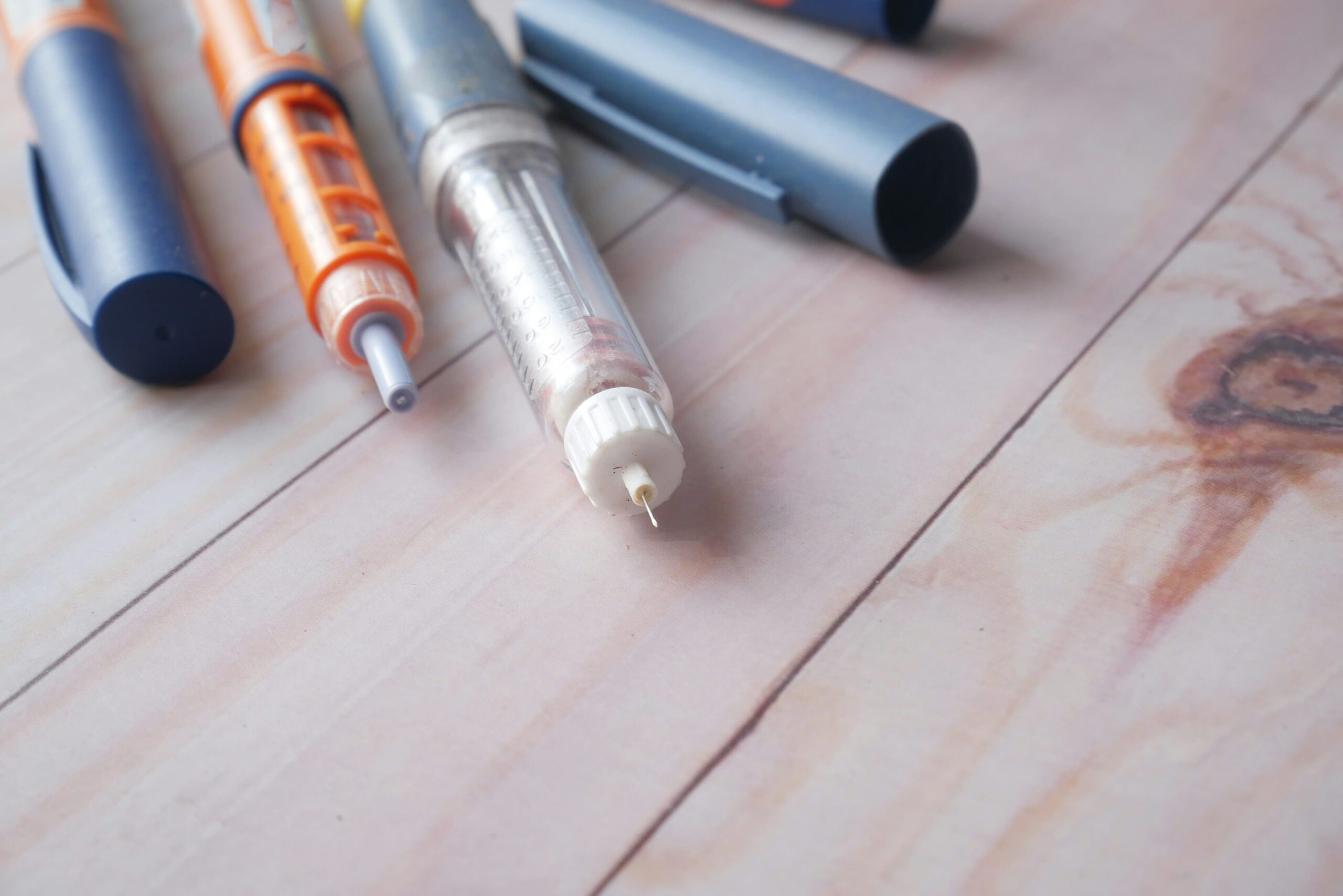
Will Insurance Cover Ozempic? This Information Tells You the Truth

What Does Life Insurance Cover?7 Must-Known Facts to Protect Your Loved Ones!
-
Health Insurance1 year ago
How Much Is Health Insurance a Month?
-
General Insurance1 year ago
Will Insurance Cover Ozempic? This Information Tells You the Truth
-
Life Insurance1 year ago
What Does Life Insurance Cover?7 Must-Known Facts to Protect Your Loved Ones!
-
 Auto Insurance1 year ago
Why Is My Auto Insurance So High? There Is a Secret Behind High Auto Insurance Costs That Goes Unknown
-
General Insurance4 months ago
Can Cowboys Get Life Insurance?
-
 Life Insurance1 year ago
What Is Life Insurance? Everything You Need to Know!
-

 Health Insurance3 months ago
Mobility Scooter Insurance: What It Is, Why You Need It, and How to Choose the Best Policy
-

 Auto Insurance4 months ago
How Impound Insurance Works After Your Car Is Seized