
General Insurance
A Guide For Contractors: Spray Foam Insurance

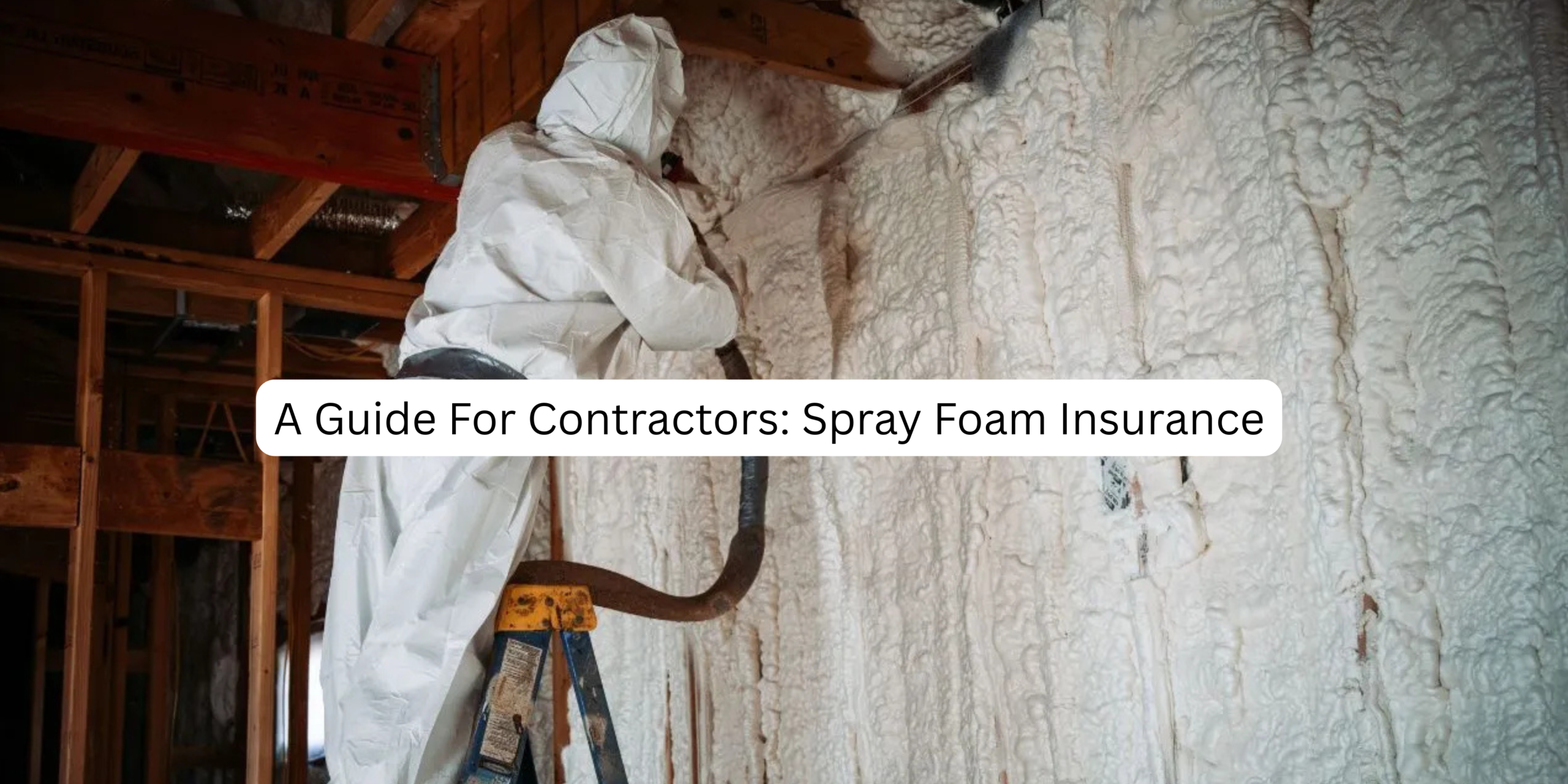
In modern business operations, foam is not just a product it’s a tool, a service, and sometimes the very core of an enterprise. From foam events and cleaning services to product manufacturing and industrial applications, foam can present unique risks. Foam insurance exists to address these risks, offering protection against accidents, property damage, and liability claims.
This guide explores foam insurance in detail, including what it covers, who needs it, how to choose a policy, and common questions businesses have. By the end, you will have a clear understanding of why foam insurance is essential for businesses that use, sell, or provide foam-based services.
What is Foam Insurance?
Foam insurance is a type of specialist business insurance designed to cover risks associated with the use, production, or distribution of foam. While it may sound niche, foam insurance addresses very real scenarios: slip and fall accidents at foam events, equipment malfunctions, damage caused by foam products, and liability claims from third parties.
In essence, foam insurance is a tailored policy that combines elements of:
- Public liability insurance
- Product liability insurance
- Equipment and contents coverage
- Event cancellation protection
Businesses that rely heavily on foam-based activities benefit from having insurance policies specifically structured to mitigate foam-related risks.
Why Foam Insurance is Important
Businesses that involve foam, whether through entertainment events, cleaning services, or product manufacturing, are exposed to a variety of risks. Ordinary business insurance often excludes certain foam-related incidents, leaving companies vulnerable. Foam insurance provides protection against:
- Injuries to participants, customers, or employees
- Property damage caused during foam events or production
- Legal claims arising from accidents involving foam
- Loss of equipment, foam machines, or other assets
Having foam insurance ensures that businesses can operate with confidence, without the constant risk of costly claims or operational disruptions.
Key Coverage Areas in Foam Insurance
Public Liability Insurance
A cornerstone of foam insurance, public liability protects a business if a third party is injured or their property is damaged as a result of foam-related activities. Coverage typically includes:
- Legal costs for defending claims
- Compensation payments to injured parties
- Medical expenses related to injuries
For example, if a participant slips during a foam event or a customer is injured by foam equipment, public liability insurance addresses the financial impact.
Product Liability Insurance
For businesses that manufacture, distribute, or sell foam products, product liability insurance is essential. This coverage protects against claims arising from:
- Defective foam products causing injury
- Foam equipment malfunctioning and causing damage
- Contaminated foam materials leading to property or health issues
Product liability insurance ensures that businesses are not financially crippled by claims related to their products.
Equipment and Contents Coverage
Foam operations often involve expensive machinery, foam generators, pumps, and accessories. Equipment and contents coverage protects these assets against:
- Accidental damage
- Theft or vandalism
- Malfunction or breakdown of foam equipment
This coverage ensures that businesses can continue operations even if their essential tools are damaged or lost.
Event Cancellation Insurance
Foam events carry inherent risks, including weather disruptions, technical failures, or unforeseen circumstances that may force cancellation. Event cancellation coverage helps businesses recover:
- Costs of prepaid bookings
- Refunds to participants
- Lost revenue from canceled events
This type of coverage is particularly valuable for businesses that rely on foam events as a significant revenue source.
Employer’s Liability Insurance
If a business has employees working with foam, whether in production, cleaning, or event management, employer’s liability insurance is crucial. This coverage protects against claims arising from employee injuries, illnesses, or accidents caused by foam-related operations.
Who Needs Foam Insurance?
Foam insurance is suitable for any business that uses foam in its operations or offers foam-related services. Key sectors include:
- Event organizers hosting foam parties or entertainment events
- Cleaning companies using foam equipment or solutions
- Manufacturers of foam products or machinery
- Service providers incorporating foam in their operational activities
- Contractors or trainers using foam for safety or industrial applications
Businesses in these sectors face risks that standard insurance policies often do not fully cover. Foam insurance provides the protection necessary to operate safely and efficiently.
Differences Between Foam Insurance and Standard Business Insurance
Standard business insurance covers general risks but often excludes specialized incidents related to foam. Comparing standard insurance and foam insurance highlights why businesses choose specialist coverage:
| Coverage Aspect | Standard Business Insurance | Foam Insurance |
| Public Liability | Limited coverage | Foam-specific coverage |
| Product Liability | May be limited | Covers foam product risks |
| Equipment Protection | General | Includes foam equipment and machinery |
| Event Coverage | Rare | Tailored for foam events |
| Environmental Impact | Often excluded | Can include foam-related risks |
Businesses that rely on foam in any capacity benefit from tailored coverage that addresses their unique risk profile.
Factors Affecting Foam Insurance Costs
The cost of foam insurance varies based on several factors:
- Size and scope of the business
- Frequency and scale of foam events
- Value and quantity of foam equipment
- Claims history
- Type of foam operations conducted
Premiums may range from a few hundred to several thousand, depending on the risk level and coverage required. It is important for businesses to compare quotes and ensure that foam-related risks are fully included.
How to Choose the Right Foam Insurance
Selecting the right foam insurance requires careful consideration of business operations and risk exposure. Key steps include:
- Assess Your Risks: Identify foam-related activities, products, and equipment that may lead to claims.
- Determine Coverage Needs: Decide on the types of coverage required, including public liability, product liability, and equipment protection.
- Compare Providers: Seek insurers or brokers specializing in foam-related business insurance.
- Review Policy Wording: Ensure that the policy clearly covers all foam-related risks.
- Check for Exclusions: Verify that there are no gaps in coverage for foam activities.
Choosing the right policy helps businesses operate confidently without worrying about unforeseen claims or liabilities.
Supporting Keywords for Foam Insurance
Integrating supporting keywords throughout content improves SEO performance. Relevant keywords include:
- foam party insurance
- foam machine insurance
- event insurance for foam activities
- commercial cleaning insurance
- business liability coverage for foam
- foam equipment insurance
- product liability insurance for foam
- foam risk management
These keywords should appear naturally in headings, subheadings, and body text to enhance search engine visibility.
Common Risks Covered by Foam Insurance
Businesses using foam face risks such as:
- Slips, trips, and falls during foam events
- Injuries from foam machinery
- Damage to venues, equipment, or third-party property
- Product malfunctions leading to health or property issues
- Event cancellations due to equipment failure or unforeseen circumstances
Foam insurance provides a financial safety net against these risks, allowing businesses to operate with confidence.
Real-World Example
Imagine an entertainment company hosting a foam-themed event. Participants are engaged in foam activities when one slips and injures themselves. Without foam insurance, the business could face substantial legal fees, compensation claims, and potential reputational damage. With a comprehensive foam insurance policy, the insurer manages the claim and covers the costs, ensuring that the business remains protected.
Frequently Asked Questions (FAQs)
What is foam insurance?
Foam insurance is a specialist business insurance policy designed to cover risks associated with foam usage, foam events, and foam products. It includes coverage for public liability, product liability, equipment protection, and event-related incidents.
Do I need foam insurance for my business?
If your business relies on foam for events, services, or product manufacturing, foam insurance provides essential protection against accidents, equipment damage, and liability claims.
How much does foam insurance cost?
Premiums vary based on the type of business, size, and risk exposure. Businesses may pay anywhere from a few hundred to several thousand dollars annually, depending on coverage and risk factors.
What does foam insurance cover?
Foam insurance can cover public liability, product liability, foam equipment, event cancellation, and employer’s liability, depending on the policy selected.
Can standard business insurance cover foam risks?
While standard insurance may provide limited coverage, specialized foam insurance ensures that all foam-related risks are included and exclusions are minimized.
Where can I get more information about foam insurance?
For guidance on business insurance, including specialist foam coverage, you can refer to resources like Business Insurance Guides for detailed advice.
Conclusion
Foam insurance is a crucial investment for businesses that rely on foam in any capacity. From event organizers to product manufacturers and cleaning companies, foam insurance provides peace of mind by covering risks that standard business insurance may overlook.
Choosing the right policy requires understanding your operations, assessing potential risks, and selecting coverage that fits your business needs. By integrating public liability, product liability, equipment protection, and event coverage, foam insurance ensures that businesses can operate safely, professionally, and confidently.
Investing in foam insurance not only safeguards financial stability but also protects reputation, ensures legal compliance, and supports long-term business growth.

Создание успешной стратегии ставок для казино 1win
Создание эффективной стратегии ставок в онлайн-казино, таком как 1win, требует тщательного планирования и внимательного анализа. При правильном подходе вы можете повысить свои шансы на выигрыш и минимизировать риски. В этой статье мы рассмотрим ключевые аспекты разработки успешной стратегии ставок, включая управление банкроллом, выбор ставок, изучение игры и использование бонусов. Все эти элементы помогут вам не только получать удовольствие от игры, но и увеличивать свои шансы на победу.
Управление банкроллом
Первым и самым важным аспектом любой стратегии ставок является грамотное управление банкроллом. Это позволит вам избежать финансовых потерь и сохранить возможность продолжать игру. Вот несколько советов по управлению банкроллом:
- Определите бюджет: Установите сумму, которую вы готовы потратить, и строго придерживайтесь ее.
- Разделите банкролл: Разделите свой бюджет на небольшие части, которые будете использовать для каждой игры.
- Избегайте импульсивных ставок: Не ставьте больше, чем планировали, даже если испытываете азарт.
- Регулярно пересматривайте стратегию: Оценивайте свои результаты и корректируйте подход при необходимости.
Следование этим рекомендациям поможет вам лучше контролировать свои финансовые риски и продлить время игры.
Выбор ставок
Выбор ставок — это еще один ключевой элемент успешной стратегии в казино 1win. Разные игры требуют разных подходов к ставкам, и понимание их особенностей может значительно увеличить ваши шансы на успех. Рассмотрим несколько важных вопросов:
- Изучите игры: Определите, в каких играх вы ощущаете себя уверенно и лучше всего понимаете правила.
- Сравните коэффициенты: Обратите внимание на коэффициенты, предлагаемые 1win, они могут варьироваться и влиять на ваш итоговый выигрыш.
- Избегайте ставок на удачу: Фокусируйтесь на стратегических ставках, а не на случайных решениях.
Выбирая правильные ставки и разбираясь в их нюансах, вы сможете не только развлечься, но и значительно увеличить свои шансы на успех.
Изучение игры
Глубокое понимание игры — один из основных факторов, который может стать залогом вашего успеха. Изучите правила, стратегии и вероятности игр, в которые вы предпочитаете играть. Для этого полезно:
- Посмотреть обучающие видео: Интернет полон ресурсов, которые помогут вам лучше понять нюансы игровой механики.
- Читать статьи и блоги: На специализированных сайтах можно найти много полезной информации о различных играх и стратегиях.
- Практиковаться: Начните с бесплатных игр, чтобы развить свои навыки, прежде чем ставить реальные деньги.
Понимание и знание игры, в которую вы играете, значительно увеличивает ваши шансы на выигрыш в казино 1win зеркало 1 win.
Использование бонусов
Многие онлайн-казино, включая 1win, предлагают специальные бонусы для привлечения новых игроков и удержания существующих. Эти бонусы могут включать фрибеты, депозитные бонусы и программы лояльности. Правильное использование бонусов может значительно повысить вашу прибыль:
- Изучите условия: Перед тем как воспользоваться бонусом, обязательно ознакомьтесь с его условиями, включая требования по отыгрышу.
- Используйте фрибеты: Это отличная возможность попробовать новые игры без риска.
- Следите за акциями: 1win регулярно проводит различные акции, которые могут дать вам дополнительные шансы на выигрыш.
Использование бонусов — это важный элемент стратегии, который может помочь вам максимизировать вашу прибыль и наслаждаться игрой.
Заключение
Создание успешной стратегии ставок для 1win казино требует постоянного анализа, терпения и, главное, дисциплины. Управление банкроллом, выбор ставок, изучение игры и используемые бонусы — все это важные составляющие эффективного подхода к азартным играм. Помните, что основная цель игры — это развлечение, и успех приходит к тем, кто умеет контролировать свои эмоции и финансы.
Часто задаваемые вопросы
1. Какой минимальный банкролл необходимо иметь для игры в 1win?
Минимальный банкролл зависит от выбранной игры, но рекомендуем начинать с суммы, которая не превышает вашего бюджета на азартные развлечения.
2. Какие игры наиболее выгодны для ставок в 1win?
Высокие шансы на выигрыш дают игры с низким преимуществом казино, такие как блэкджек и покер.
3. Какой вид бонусов можно получить в 1win?
В 1win доступны разные виды бонусов, включая приветственные бонусы, фрибеты и программы лояльности.
4. Какую стратегию ставок лучше всего использовать в казино 1win?
Оптимальная стратегия будет зависеть от игры, однако всегда стоит придерживаться разумного управления банкроллом и делать ставки на основании анализа.
5. Если я проиграл, стоит ли продолжать играть в надежде отыграться?
Рекомендуется придерживаться своих первоначальных стратегий и бюджета, не поддаваясь эмоциям и стремлению отыграться.
Создание успешной стратегии ставок для казино 1win
Создание эффективной стратегии ставок в онлайн-казино, таком как 1win, требует тщательного планирования и внимательного анализа. При правильном подходе вы можете повысить свои шансы на выигрыш и минимизировать риски. В этой статье мы рассмотрим ключевые аспекты разработки успешной стратегии ставок, включая управление банкроллом, выбор ставок, изучение игры и использование бонусов. Все эти элементы помогут вам не только получать удовольствие от игры, но и увеличивать свои шансы на победу.
Управление банкроллом
Первым и самым важным аспектом любой стратегии ставок является грамотное управление банкроллом. Это позволит вам избежать финансовых потерь и сохранить возможность продолжать игру. Вот несколько советов по управлению банкроллом:
- Определите бюджет: Установите сумму, которую вы готовы потратить, и строго придерживайтесь ее.
- Разделите банкролл: Разделите свой бюджет на небольшие части, которые будете использовать для каждой игры.
- Избегайте импульсивных ставок: Не ставьте больше, чем планировали, даже если испытываете азарт.
- Регулярно пересматривайте стратегию: Оценивайте свои результаты и корректируйте подход при необходимости.
Следование этим рекомендациям поможет вам лучше контролировать свои финансовые риски и продлить время игры.
Выбор ставок
Выбор ставок — это еще один ключевой элемент успешной стратегии в казино 1win. Разные игры требуют разных подходов к ставкам, и понимание их особенностей может значительно увеличить ваши шансы на успех. Рассмотрим несколько важных вопросов:
- Изучите игры: Определите, в каких играх вы ощущаете себя уверенно и лучше всего понимаете правила.
- Сравните коэффициенты: Обратите внимание на коэффициенты, предлагаемые 1win, они могут варьироваться и влиять на ваш итоговый выигрыш.
- Избегайте ставок на удачу: Фокусируйтесь на стратегических ставках, а не на случайных решениях.
Выбирая правильные ставки и разбираясь в их нюансах, вы сможете не только развлечься, но и значительно увеличить свои шансы на успех.
Изучение игры
Глубокое понимание игры — один из основных факторов, который может стать залогом вашего успеха. Изучите правила, стратегии и вероятности игр, в которые вы предпочитаете играть. Для этого полезно:
- Посмотреть обучающие видео: Интернет полон ресурсов, которые помогут вам лучше понять нюансы игровой механики.
- Читать статьи и блоги: На специализированных сайтах можно найти много полезной информации о различных играх и стратегиях.
- Практиковаться: Начните с бесплатных игр, чтобы развить свои навыки, прежде чем ставить реальные деньги.
Понимание и знание игры, в которую вы играете, значительно увеличивает ваши шансы на выигрыш в казино 1win зеркало 1 win.
Использование бонусов
Многие онлайн-казино, включая 1win, предлагают специальные бонусы для привлечения новых игроков и удержания существующих. Эти бонусы могут включать фрибеты, депозитные бонусы и программы лояльности. Правильное использование бонусов может значительно повысить вашу прибыль:
- Изучите условия: Перед тем как воспользоваться бонусом, обязательно ознакомьтесь с его условиями, включая требования по отыгрышу.
- Используйте фрибеты: Это отличная возможность попробовать новые игры без риска.
- Следите за акциями: 1win регулярно проводит различные акции, которые могут дать вам дополнительные шансы на выигрыш.
Использование бонусов — это важный элемент стратегии, который может помочь вам максимизировать вашу прибыль и наслаждаться игрой.
Заключение
Создание успешной стратегии ставок для 1win казино требует постоянного анализа, терпения и, главное, дисциплины. Управление банкроллом, выбор ставок, изучение игры и используемые бонусы — все это важные составляющие эффективного подхода к азартным играм. Помните, что основная цель игры — это развлечение, и успех приходит к тем, кто умеет контролировать свои эмоции и финансы.
Часто задаваемые вопросы
1. Какой минимальный банкролл необходимо иметь для игры в 1win?
Минимальный банкролл зависит от выбранной игры, но рекомендуем начинать с суммы, которая не превышает вашего бюджета на азартные развлечения.
2. Какие игры наиболее выгодны для ставок в 1win?
Высокие шансы на выигрыш дают игры с низким преимуществом казино, такие как блэкджек и покер.
3. Какой вид бонусов можно получить в 1win?
В 1win доступны разные виды бонусов, включая приветственные бонусы, фрибеты и программы лояльности.
4. Какую стратегию ставок лучше всего использовать в казино 1win?
Оптимальная стратегия будет зависеть от игры, однако всегда стоит придерживаться разумного управления банкроллом и делать ставки на основании анализа.
5. Если я проиграл, стоит ли продолжать играть в надежде отыграться?
Рекомендуется придерживаться своих первоначальных стратегий и бюджета, не поддаваясь эмоциям и стремлению отыграться.
Создание успешной стратегии ставок для казино 1win
Создание эффективной стратегии ставок в онлайн-казино, таком как 1win, требует тщательного планирования и внимательного анализа. При правильном подходе вы можете повысить свои шансы на выигрыш и минимизировать риски. В этой статье мы рассмотрим ключевые аспекты разработки успешной стратегии ставок, включая управление банкроллом, выбор ставок, изучение игры и использование бонусов. Все эти элементы помогут вам не только получать удовольствие от игры, но и увеличивать свои шансы на победу.
Управление банкроллом
Первым и самым важным аспектом любой стратегии ставок является грамотное управление банкроллом. Это позволит вам избежать финансовых потерь и сохранить возможность продолжать игру. Вот несколько советов по управлению банкроллом:
- Определите бюджет: Установите сумму, которую вы готовы потратить, и строго придерживайтесь ее.
- Разделите банкролл: Разделите свой бюджет на небольшие части, которые будете использовать для каждой игры.
- Избегайте импульсивных ставок: Не ставьте больше, чем планировали, даже если испытываете азарт.
- Регулярно пересматривайте стратегию: Оценивайте свои результаты и корректируйте подход при необходимости.
Следование этим рекомендациям поможет вам лучше контролировать свои финансовые риски и продлить время игры.
Выбор ставок
Выбор ставок — это еще один ключевой элемент успешной стратегии в казино 1win. Разные игры требуют разных подходов к ставкам, и понимание их особенностей может значительно увеличить ваши шансы на успех. Рассмотрим несколько важных вопросов:
- Изучите игры: Определите, в каких играх вы ощущаете себя уверенно и лучше всего понимаете правила.
- Сравните коэффициенты: Обратите внимание на коэффициенты, предлагаемые 1win, они могут варьироваться и влиять на ваш итоговый выигрыш.
- Избегайте ставок на удачу: Фокусируйтесь на стратегических ставках, а не на случайных решениях.
Выбирая правильные ставки и разбираясь в их нюансах, вы сможете не только развлечься, но и значительно увеличить свои шансы на успех.
Изучение игры
Глубокое понимание игры — один из основных факторов, который может стать залогом вашего успеха. Изучите правила, стратегии и вероятности игр, в которые вы предпочитаете играть. Для этого полезно:
- Посмотреть обучающие видео: Интернет полон ресурсов, которые помогут вам лучше понять нюансы игровой механики.
- Читать статьи и блоги: На специализированных сайтах можно найти много полезной информации о различных играх и стратегиях.
- Практиковаться: Начните с бесплатных игр, чтобы развить свои навыки, прежде чем ставить реальные деньги.
Понимание и знание игры, в которую вы играете, значительно увеличивает ваши шансы на выигрыш в казино 1win зеркало 1 win.
Использование бонусов
Многие онлайн-казино, включая 1win, предлагают специальные бонусы для привлечения новых игроков и удержания существующих. Эти бонусы могут включать фрибеты, депозитные бонусы и программы лояльности. Правильное использование бонусов может значительно повысить вашу прибыль:
- Изучите условия: Перед тем как воспользоваться бонусом, обязательно ознакомьтесь с его условиями, включая требования по отыгрышу.
- Используйте фрибеты: Это отличная возможность попробовать новые игры без риска.
- Следите за акциями: 1win регулярно проводит различные акции, которые могут дать вам дополнительные шансы на выигрыш.
Использование бонусов — это важный элемент стратегии, который может помочь вам максимизировать вашу прибыль и наслаждаться игрой.
Заключение
Создание успешной стратегии ставок для 1win казино требует постоянного анализа, терпения и, главное, дисциплины. Управление банкроллом, выбор ставок, изучение игры и используемые бонусы — все это важные составляющие эффективного подхода к азартным играм. Помните, что основная цель игры — это развлечение, и успех приходит к тем, кто умеет контролировать свои эмоции и финансы.
Часто задаваемые вопросы
1. Какой минимальный банкролл необходимо иметь для игры в 1win?
Минимальный банкролл зависит от выбранной игры, но рекомендуем начинать с суммы, которая не превышает вашего бюджета на азартные развлечения.
2. Какие игры наиболее выгодны для ставок в 1win?
Высокие шансы на выигрыш дают игры с низким преимуществом казино, такие как блэкджек и покер.
3. Какой вид бонусов можно получить в 1win?
В 1win доступны разные виды бонусов, включая приветственные бонусы, фрибеты и программы лояльности.
4. Какую стратегию ставок лучше всего использовать в казино 1win?
Оптимальная стратегия будет зависеть от игры, однако всегда стоит придерживаться разумного управления банкроллом и делать ставки на основании анализа.
5. Если я проиграл, стоит ли продолжать играть в надежде отыграться?
Рекомендуется придерживаться своих первоначальных стратегий и бюджета, не поддаваясь эмоциям и стремлению отыграться.
Создание успешной стратегии ставок для казино 1win
Создание успешной стратегии ставок для казино 1win
Создание успешной стратегии ставок для казино 1win

How Much Is Health Insurance a Month?

Will Insurance Cover Ozempic? This Information Tells You the Truth

What Does Life Insurance Cover?7 Must-Known Facts to Protect Your Loved Ones!
-
Health Insurance1 year ago
How Much Is Health Insurance a Month?
-
General Insurance1 year ago
Will Insurance Cover Ozempic? This Information Tells You the Truth
-
Life Insurance1 year ago
What Does Life Insurance Cover?7 Must-Known Facts to Protect Your Loved Ones!
-
 Auto Insurance1 year ago
Why Is My Auto Insurance So High? There Is a Secret Behind High Auto Insurance Costs That Goes Unknown
-
 Life Insurance1 year ago
What Is Life Insurance? Everything You Need to Know!
-
 Life Insurance1 year ago
How Much Does Life Insurance Cost in 2024? (Real Rates & Saving Tips)
-
General Insurance5 months ago
Can Cowboys Get Life Insurance?
-

 Health Insurance5 months ago
Prima Car Insurance Reviews: Is It the Right Choice for Your Ride?